
In 1865, Toronto was abuzz with rumours of an imminent invasion by the Fenian Brotherhood. Police forces were put on high alert, and the Royal Guard was called into service. The attack was expected on St. Patrick’s Day, keeping forces on duty for three weeks until the threat subsided. This marked the beginning of the Fenian Raids, as reported by torontoyes.com.
The Plan of Attack
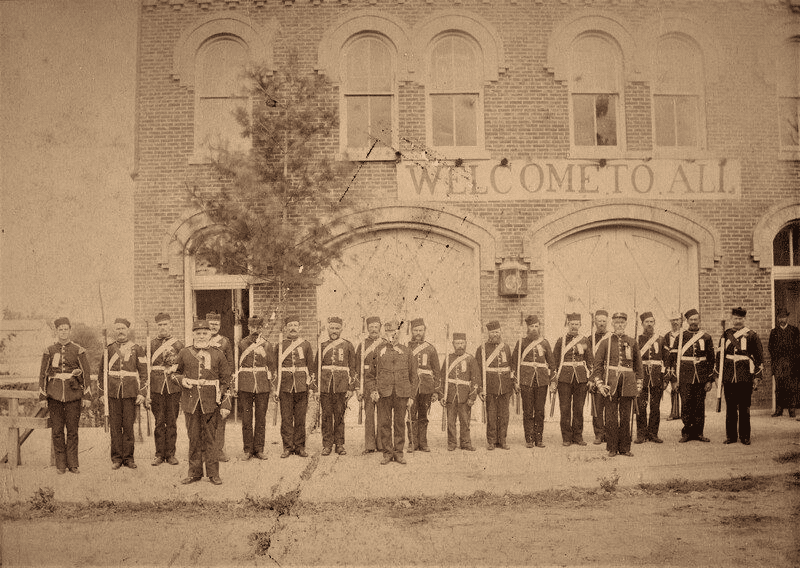
The Fenian Brotherhood was an Irish-American revolutionary group aiming to liberate Ireland from British rule. Many of its members were veterans of the American Civil War. Their plan involved capturing Canada as a bargaining chip to secure Ireland’s freedom in exchange for the return of Canadian territory.
In March 1866, the Fenians convened in Cincinnati to draft a plan targeting Canadian cities. However, their security measures were inadequate, as Canadian authorities were well-informed about their intentions.
The Grand Invasion
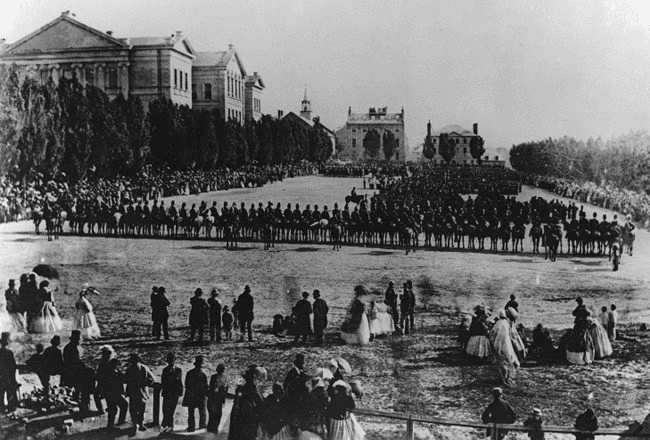
In April 1866, the Fenians attempted to invade New Brunswick but were thwarted by Canadian forces. On June 1, 1866, the Fenians launched their invasion of Canada. A force of 1,500 men crossed the Niagara River with ease, established defensive positions, and sent out patrols. Their first target was Fort Erie, where they demanded food and horses from residents.
From Fort Erie, the Fenians advanced north along the river toward Chippewa, recognizing the strategic importance of the Welland Canal, which they aimed to control.
Meanwhile, alarm bells rang in Toronto as the enemy neared. Thousands of militia members were mobilized, with over 300 Royal Riflemen stationed to guard the city. At 4:00 AM, additional troops boarded the steamer City of Toronto en route to Port Dalhousie, where they proceeded by train to Port Colborne to await further orders.
The plan involved Colonel Booker’s column traveling by train to Ridgeway, where they would march north and rendezvous with Colonel Peacock’s forces.
The first mistake occurred at Ridgeway. As Booker’s troops gathered at the station, the train’s whistle and shouted commands alerted the Fenians, who interpreted the commotion as a warning and prepared for battle.
On the morning of June 2, Colonel Booker was appointed commander of the Royal Toronto Rifles. Leading five companies of Royal Guardsmen, they advanced along Ridge Road.
Local residents warned Booker of the approaching Fenians, but he dismissed the warnings, relying on intelligence that placed the enemy near Black Creek. While the Fenians had camped at Black Creek on the night of June 1, they shifted their focus to attack Booker’s weaker column after learning of Peacock’s presence in Chippewa.
The Battle
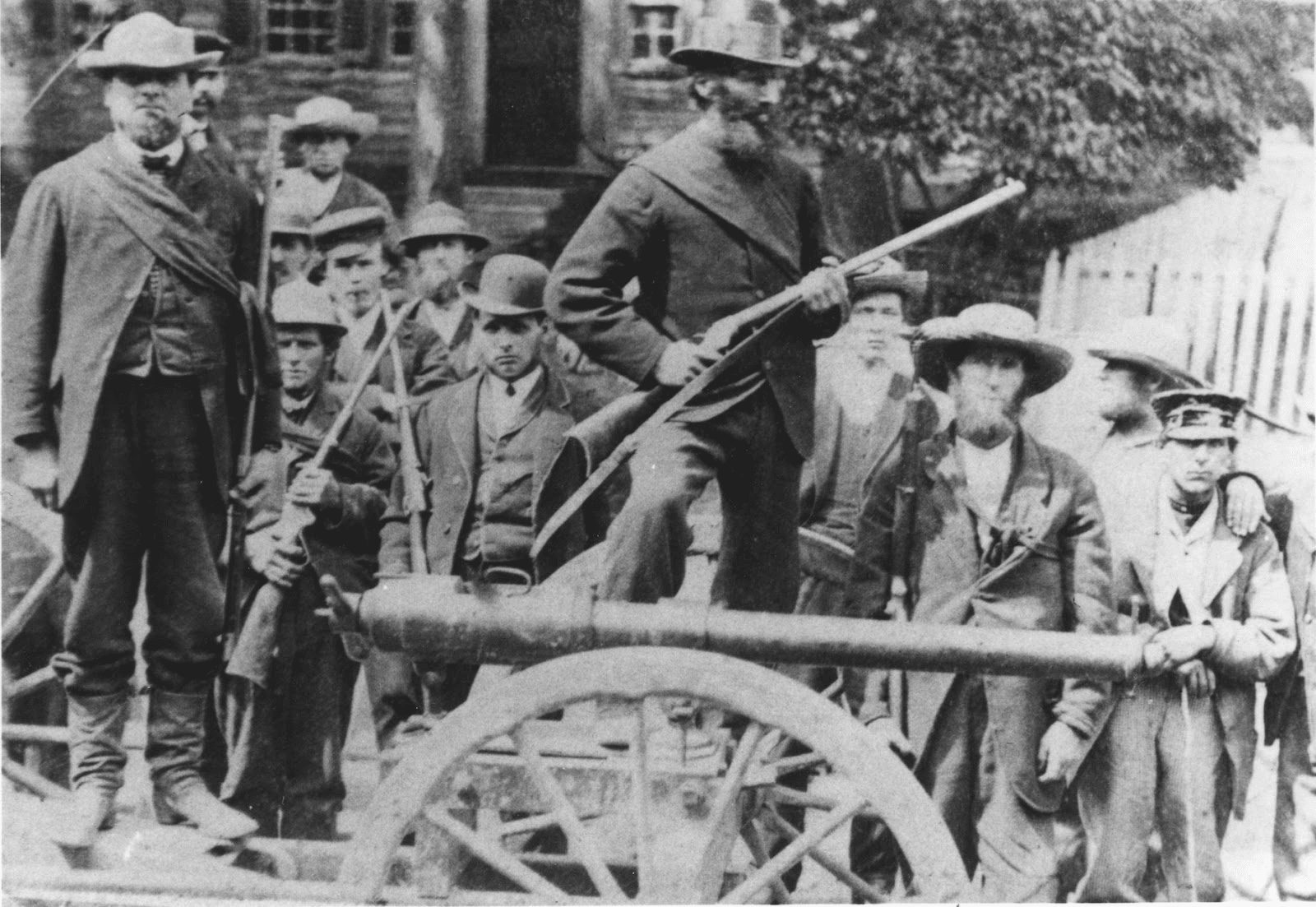
At 3:00 AM on June 2, Canadian forces advanced along Ridge Road. Upon hearing train whistles and bugle calls emanating from Ridgeway, they prepared for a defensive stand.
The Royal troops moved through fields, but as they neared the Garrison Road, Company No. 5 came under fire from Fenian sharpshooters, initiating the battle. Initially, the Fenians feigned a retreat, luring the Canadians toward their main defensive line. Company No. 5 pursued the Fenians, supported by reinforcements.
Later that afternoon, at 4:00 PM, a detachment of 125 officers and soldiers was dispatched from Toronto to support the army. Although planned to leave at 2:00 AM, the deployment was delayed by further orders.
With Canadian forces regrouped, they managed to repel the Fenians and drive them back across the border. The coordinated efforts of the Canadian militia thwarted the Fenian plans to capture Toronto and other Ontario towns.
The Fenian Raids, though significant, ultimately failed to achieve their goals. The battle at Ridgeway highlighted the courage and organization of the Canadian militia in defending their territory.
The Fenian Brotherhood’s attempt to leverage Canada in exchange for Irish independence may have stirred fear but also strengthened Canada’s resolve and military preparedness. The successful defense against the Fenians marked a pivotal moment in Canadian history, showcasing the nation’s ability to stand united in the face of external threats.