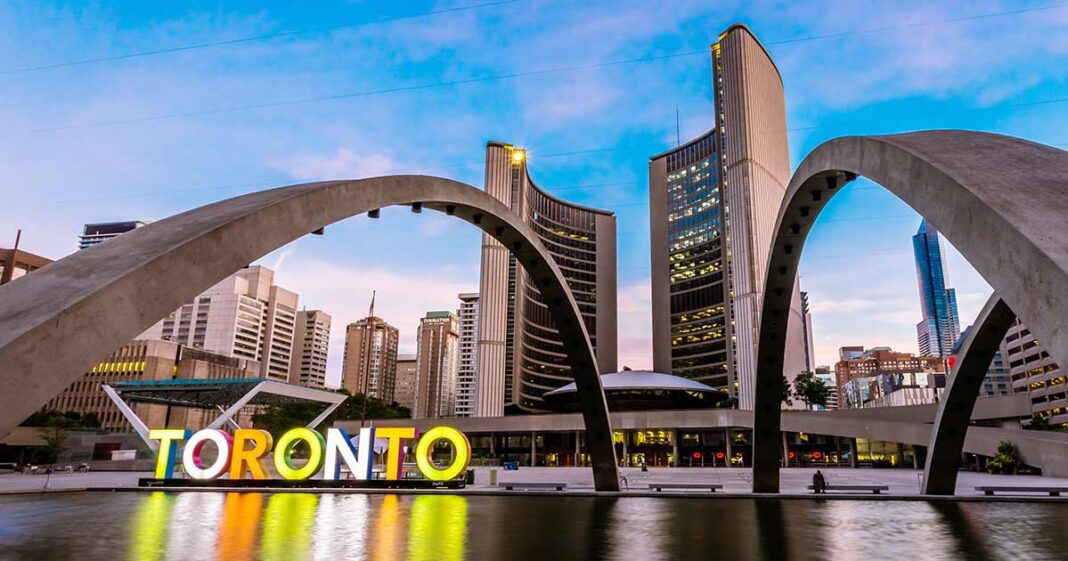

Toronto is a beautiful city with a rich history. Its vibrant and eventful past has shaped the metropolis we know today. As the capital of Ontario, Toronto’s journey to this position is one filled with significant milestones. Discover more about how Toronto earned its title as the capital of Ontario at torontoyes.com.
Historical Background
The history of Toronto dates back to 1793 when it was known as Fort York. During this time, Fort York began its transformation into a bustling trade and administrative center. Its status as a key trading port provided economic advantages over other cities in the province. Its geographic location along the shores of Lake Ontario further supported trade and economic growth.
In 1834, York was renamed Toronto, a name believed to have Indigenous origins. That same year, William Lyon Mackenzie became the city’s first mayor. At the time, Toronto’s population was around 9,000, including African American slaves and refugees fleeing slavery from the southern United States. The abolition of slavery in Upper Canada made Toronto a beacon of freedom. The city also became a destination for migrants from various parts of the world, with the first wave of immigrants being Irish fleeing famine. The Irish soon became the largest ethnic group in the city. As more migrants arrived, Toronto began to grow and develop.

Becoming the Capital of Ontario
Toronto briefly served as the capital of the United Province of Canada twice: first from 1849 to 1851 following riots in Montreal, and again from 1855 to 1859.
In 1867, after the Confederation of Canada, Toronto was designated the permanent capital of Ontario. This event solidified the political significance of both Ontario and Toronto.
Subsequently, the Ontario government initiated decisions to enhance the city’s infrastructure and governance. Toronto underwent rapid development to meet the demands of being a provincial capital. A comprehensive sewage system was built, streets were illuminated with gas lamps, and rail lines were constructed, connecting Toronto to the Upper Great Lakes.
The railway system increased migration to Toronto and boosted trade and industry. By the late 19th century, the city had become the largest alcohol distillation center in North America. In 1891, electric streetcars were introduced, further modernizing the city.
Further Development as Ontario’s Capital
In 1904, a devastating fire destroyed much of Toronto’s downtown, with over 100 buildings reduced to ashes and damages amounting to $10,387,000 CAD. Despite this setback, migrants continued to arrive, including Germans, French, Italians, Jews, Poles, and Russians. Many lived in overcrowded slums initially but later sought better housing.
In 1954, 12 surrounding municipalities merged into a regional government called Metropolitan Toronto. That same year, Hurricane Hazel wreaked havoc, causing 81 fatalities and leaving nearly 1,900 families homeless. The total damages exceeded $25 million CAD.
In 1967, nearby towns joined Toronto to form the modern city. This amalgamation included East York, Etobicoke, North York, Scarborough, and York.
Toronto continued to grow as a magnet for migrants from around the world. By the 1980s, Toronto surpassed Montreal in population, becoming Canada’s economic hub.
In 1998, the Metropolitan Toronto municipality and its six components merged into a single megacity. This decision by the Ontario government was met with protests but ultimately shaped the Toronto we know today.
Modern Toronto stands as a key trading port and Canada’s financial center. It houses major banks, insurance companies, and the stock exchange. The city is also home to renowned universities and research institutions.
As Ontario’s capital, Toronto has benefited from extensive investments in infrastructure and residential development. These advancements have significantly improved the quality of life for its residents and continue to attract migrants from around the globe.
We hope you enjoyed this insightful article and learned more about your city’s rich history.
Sources: