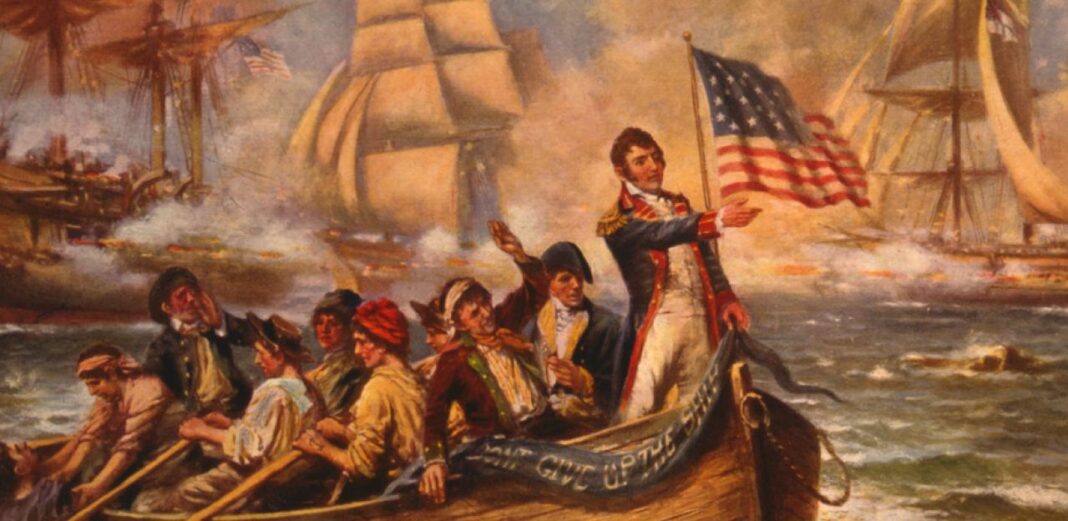

The War of 1812 saw the United States engage in conflict with Britain due to its trade policies and support of First Nations resisting American expansion. In April 1813, the residents of Fort York—which would later become Toronto—were startled by loud explosions echoing west of the town. Smoke filled the streets, and the sound of gunfire rang through the air. Around 2,700 American troops launched an assault on the British forces defending Fort York, forcing the British to retreat to Kingston.
Despite their victory, the Americans paid a heavy price. Read on to learn more about the battle’s progression, strategy, and consequences, based on torontoyes.com.
The American Strategy
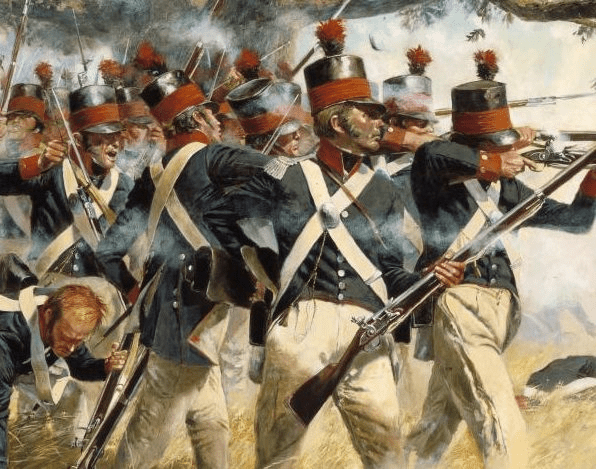
The American strategy developed in 1812 focused on acquiring territory for expansion. Viewing Canada’s rivers and lakes as crucial trade and transportation routes, the Americans sought control over these waterways.
By early 1813, the strategy shifted towards Lake Ontario and the Niagara border. U.S. Secretary of War John Armstrong and Lieutenant General Henry Dearborn planned to concentrate forces in Sackets Harbor, New York and capture Kingston, the base of the British naval fleet.
After securing Kingston, the Americans aimed to take other British positions, including Fort York, thereby gaining control of the lakes and rivers while cutting off Upper Canada’s supply routes.
However, this plan did not go as intended. Reports incorrectly suggested that Kingston was heavily defended, prompting Dearborn to shift focus to Fort York, which was garrisoned by 700 British soldiers under General Roger Hale Sheaffe. Dearborn viewed it as an easier target.
The plan was to capture Fort York and then proceed to Kingston. But the ice on Lake Ontario delayed the campaign until the spring of 1813.
The American Offensive
By April, with Lake Ontario’s ice cleared, the Americans were ready to attack. Commander Isaac Chauncey led a fleet of schooners carrying soldiers across the lake from Sackets Harbor to Fort York.
The American forces landed west of Fort York, prompting immediate retaliation from the British troops. In response, Chauncey’s fleet bombarded the British defences with artillery fire, providing cover for the landing troops.
Once the Americans secured a foothold, Chauncey’s ships shelled British batteries and forts west of the town. The American forces advanced steadily, pushing back the British militia and soldiers who struggled to hold their positions.
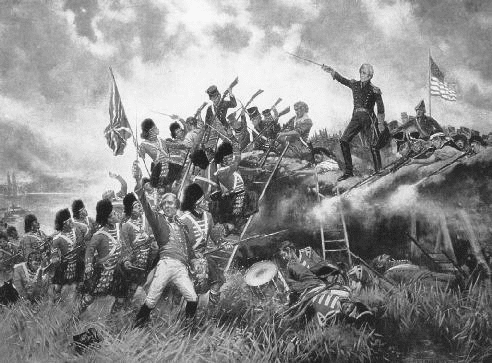
Despite their efforts, the British were forced to retreat. General Sheaffe ordered his troops to withdraw eastward to Kingston. Before abandoning Fort York, the British set fire to their remaining supplies to prevent them from falling into American hands.
The explosion of hundreds of barrels of gunpowder caused a catastrophic blast, killing over 200 American soldiers, including their commander, General Zebulon Pike.
Infuriated by the devastating explosion, the American troops retaliated by pillaging Fort York, burning public buildings, businesses, and infrastructure. This act of destruction left the town in ruins.
In response to the American aggression, the British would later exact revenge by burning Washington, D.C., in 1814.
The Battle’s Conclusion
Although the Battle of Fort York was a tactical victory for the Americans, it came at a significant cost. The loss of lives and the destruction of the town marked the battle as a sombre chapter in the War of 1812.
The defeat also dealt a blow to General Sheaffe’s reputation, while the victory boosted the morale of the American forces.
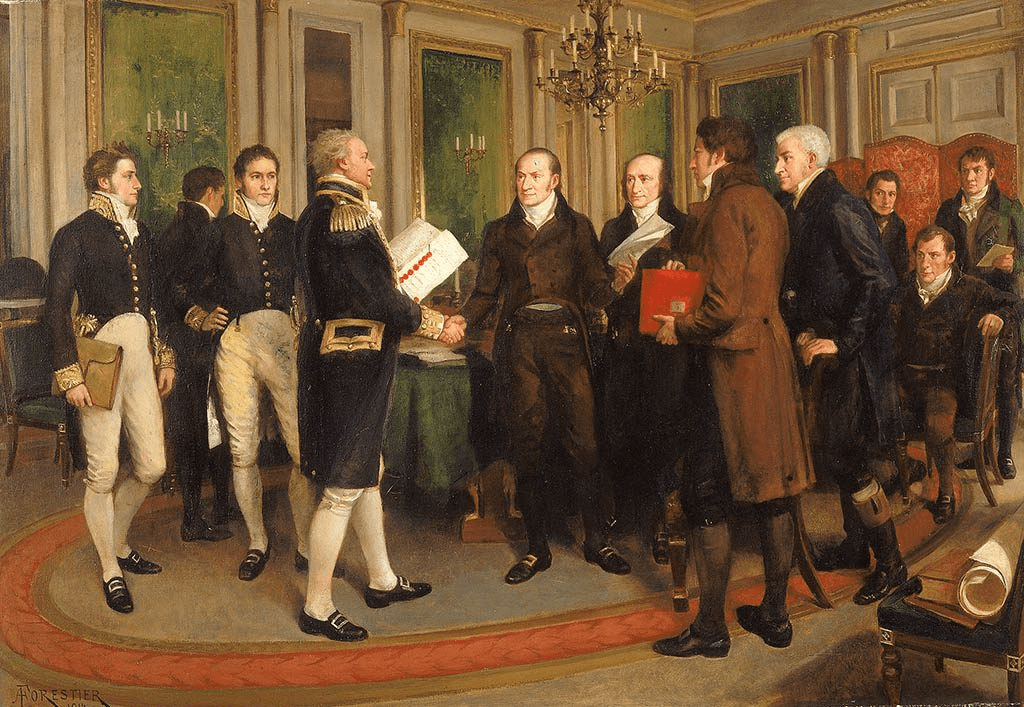
On December 24, 1814, the Treaty of Ghent was signed in Belgium, officially ending the war. The treaty restored all captured territories to their pre-war status, bringing peace to the region.
The years following the war were marked by rebuilding and growth for Fort York. By 1834, the town was officially incorporated as the City of Toronto, marking the start of its transformation into a thriving urban centre.