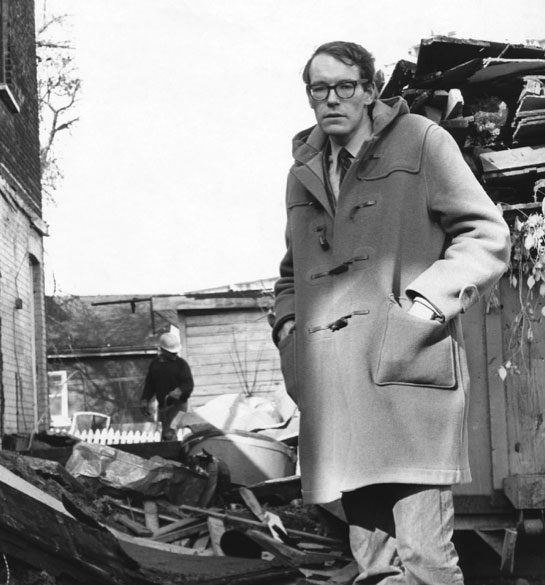

John Sewell is a well-known Canadian politician whose influence extends beyond the country’s borders. Serving as Toronto’s mayor for a period, he made a significant impact on the city’s development. Learn more about his life and career in this article, based on torontoyes.com.
Beginnings in Law
John Sewell was born in Toronto in 1940 and grew up in the Beaches neighbourhood, attending Malvern Collegiate Institute. In 1961, he earned a Bachelor of Arts degree in English Literature from the University of Toronto.
By 1964, Sewell completed his legal studies at the University of Toronto’s Faculty of Law and became a licensed lawyer in 1966 after joining the Law Society of Ontario. Early in his career, Sewell was a committed community organizer. He focused on revitalizing the Trefann Court neighbourhood, opposing expropriation and demolition efforts in the area.
Mayor of Toronto
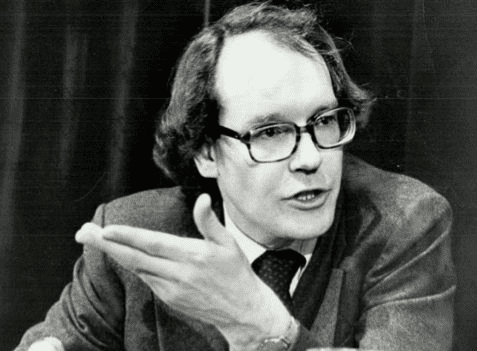
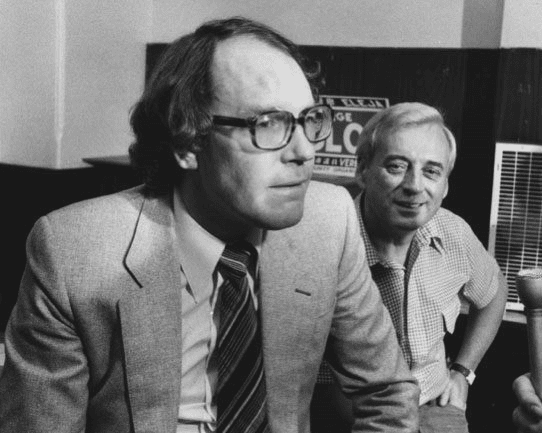
Sewell’s political career began in December 1969 when he was elected as an alderman to Toronto City Council. Over the next eight years, he devoted himself to protecting Toronto’s neighbourhoods, promoting public participation in municipal decisions, preserving historical buildings, improving public transportation, and increasing affordable housing for low-income families.
At the end of 1978, Sewell was elected mayor of Toronto for a two-year term. As mayor, he championed anti-discrimination policies for the gay and lesbian communities and improved public transportation by freezing transit fares and introducing a monthly pass system. He also established an independent commission to review police operations.
An advocate for the environment, Sewell frequently cycled to council meetings and opposed high-rise developments in Toronto’s downtown core. A vocal critic of the Toronto police force, he called for greater public accountability.
Although re-elected as a council member in 1981, Sewell eventually stepped down from politics. He began teaching law and politics at York University while working as a political columnist for The Globe and Mail.
Active Life After Politics
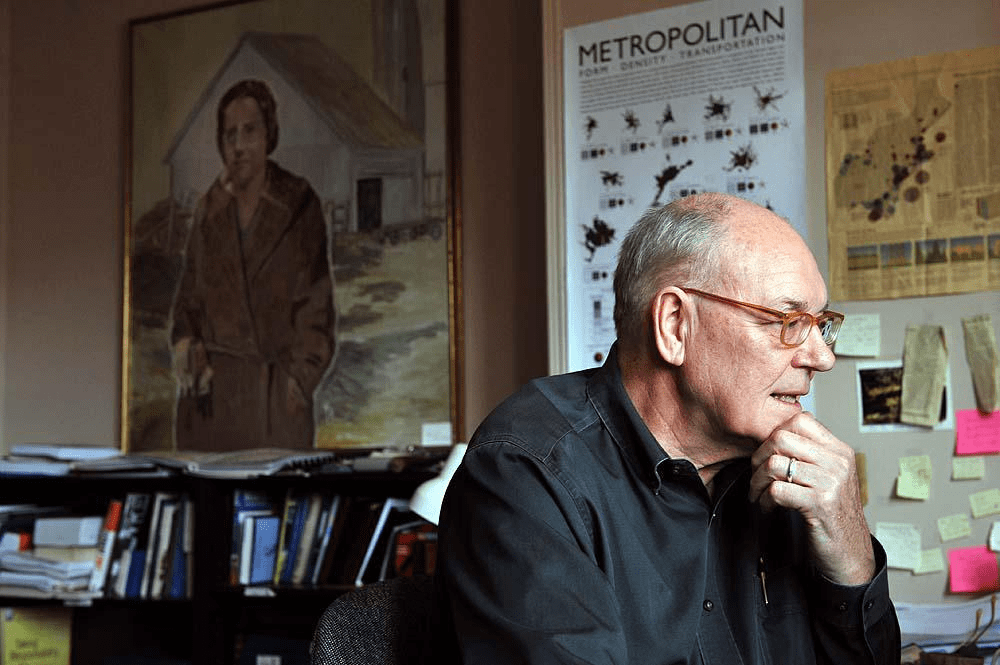
In 1991, Sewell was appointed head of the Ontario Commission on Planning and Development Reform. In 1993, the commission, under Sewell’s leadership, delivered a report recommending improvements to the province’s land-use planning system, with most recommendations later adopted by the provincial government.
From 1993 onward, Sewell remained deeply engaged in Toronto’s civic life. He began writing a weekly column on municipal politics for NOW Magazine and played a leading role in public housing redevelopment projects. Sewell also founded Citizens for Local Democracy (C4LD), an organization that unsuccessfully opposed the amalgamation of Toronto’s municipalities.
Between 1999 and 2007, Sewell maintained a website publishing a monthly newsletter on local governance in Canada. In 2005, he founded Direct City Action to address urban issues more effectively, managing its website and coordinating initiatives.
In 2006, Sewell attempted a return to Toronto City Council but was unsuccessful.
For his contributions to public life and community development, Sewell was appointed a Member of the Order of Canada in 2005. From 2005 to 2012, he also served on the Board of Directors of the Sharon Temple Museum Society, a significant site of Canada’s cultural heritage.