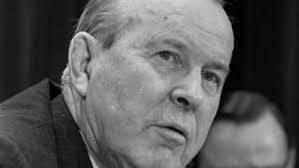

It’s hard to imagine modern society without politicians; they are an integral part of our lives. Many of Canada’s politicians were born in Toronto. Today, we’ll talk about one of our own, the renowned politician, historian, and diplomat, Lester B. Pearson. Read more about his political career on torontoyes.com.
Childhood and Education
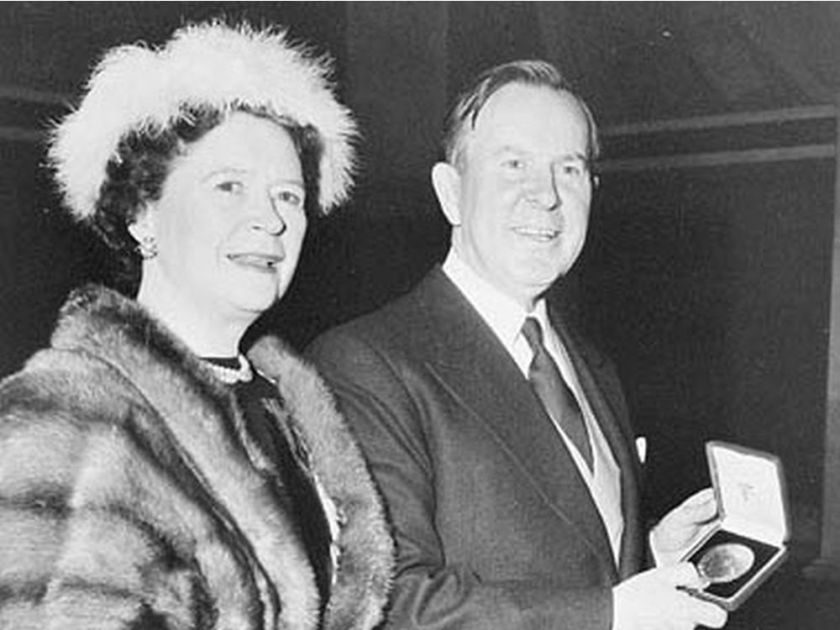
The future politician was born in Toronto in 1897. He grew up in the family of a Protestant minister of Irish descent. His parents placed great importance on education and moral values, and his childhood was spent in an environment where these were highly esteemed. Lester’s father being a Methodist pastor significantly influenced the young boy’s worldview.
In 1913, Lester enrolled in Victoria College at the University of Toronto. However, the First World War soon began. Too young for the infantry, he volunteered for the university’s hospital service, serving in England, Egypt, and Greece. After some time, this Toronto native was transferred to the Royal Flying Corps. Incidentally, it was there he earned the nickname “Mike.” Injuries followed, and Lester was sent home, where he continued to serve as an instructor.
Political Career
In 1948, Lester Bowles Pearson embarked on his political career, becoming a Member of Parliament for the Liberal Party. He also held the significant post of Minister of External Affairs.
In 1956, Lester Bowles Pearson proposed to the UN General Assembly the creation of peacekeeping forces to resolve the Suez Crisis. This pivotal move helped avert a large-scale military conflict and brought Pearson global recognition, culminating in the Nobel Peace Prize.
In 1958, he became the leader of the Liberal Party. Five years later, Pearson won the federal election and became the Prime Minister of Canada.
As Prime Minister
During his tenure as Prime Minister, Lester B. Pearson introduced several landmark initiatives: he laid the groundwork for Canada’s universal healthcare system; created the Canada Pension Plan and student loan programs; reformed the Canadian Armed Forces; and concluded the Auto Pact, a significant trade agreement with the USA concerning the automotive industry. Furthermore, under his leadership, the new Canadian national flag with its iconic red maple leaf was adopted, becoming a powerful symbol of the country. This period also saw the establishment of the North American Bomarc missile program for defense against potential threats from the USSR.
It’s particularly noteworthy that Pearson made the decision not to send Canadian troops to Vietnam, underscoring Canada’s commitment to peaceful conflict resolution. Also during his premiership, the government approved a 40-hour work week, two weeks of paid vacation, and established a new minimum wage. The nation also experienced significant economic growth and industrialization. Indeed, the 1960s in Canada were a period of economic boom. Thanks to scientific and technological progress, industrial production accelerated, new mineral deposits were discovered, and agriculture became increasingly automated.
In 1967, Lester Pearson retired, leaving an indelible mark on Canadian politics and international diplomacy. As a testament to his immense contribution to the country’s development, Toronto’s largest airport is named in his honor: Toronto Pearson International Airport.
Lester Bowles Pearson is renowned as one of the chief architects of Canada’s modern social welfare state. He laid the foundations for the social security system and significantly improved the standard of living for Canadians. This Torontonian left a profound and lasting legacy in Canadian and world politics.
We hope you enjoyed this article and learned more about this famous individual born in Toronto.