
Throughout Toronto’s history, many mayors have led the city, each leaving a meaningful legacy. Allan Lamport, who served as mayor for several years, stood out for his achievements and won the admiration of the people. Learn more about his life and career in this article, based on torontoyes.com.
Political Career
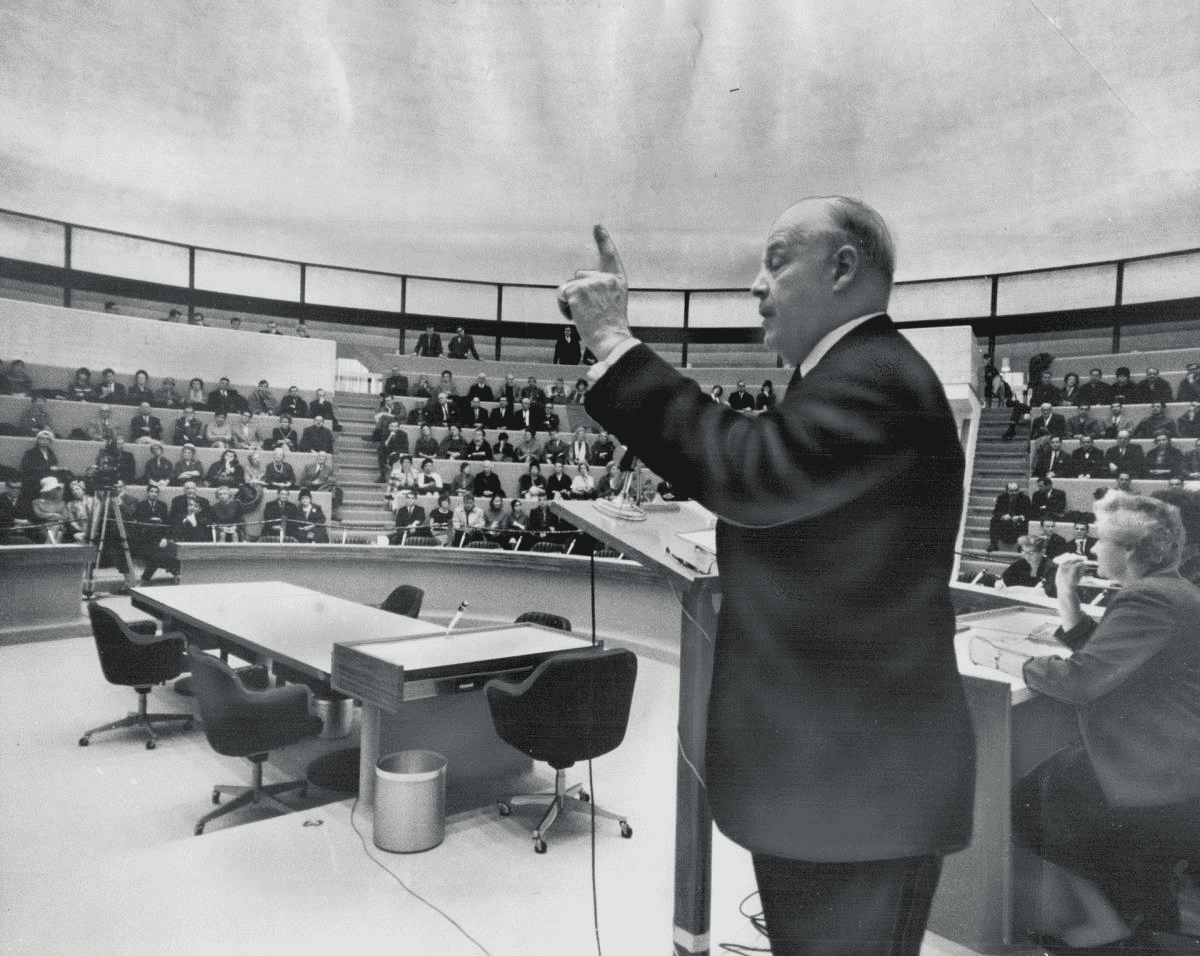
In 1937, Allan Lamport first entered Toronto City Council. Trained as a pilot, Lamport immediately called for the construction of airports on the Toronto Islands and in Malton, a proposal that received approval. His efforts led to the development of Toronto Island Airport and Pearson International Airport. He also advocated for the construction and expansion of Mount Pleasant Road.
From 1937 to 1943, Lamport served as a Member of Provincial Parliament (MPP) representing the Ontario Liberal Party. With the onset of World War II, he enlisted in the Royal Canadian Air Force.
Lamport balanced his military service with his political work. During a parliamentary session, he publicly criticized Henry Ford, then Toronto’s mayor, for not supporting Canada’s army, referring to him as a “black-faced American Quisling.” His anger at Ford led to a notable confrontation in the legislature.
When Lamport was reassigned by the Royal Canadian Air Force to the east coast, he temporarily stepped away from politics.
In 1946, after the war, Lamport returned to City Council and began a campaign to legalize cocktail bars in Toronto. In 1947, the Ontario legislature approved the opening of bars in cities with populations exceeding 100,000, including Toronto. In 1949, Lamport was elected to the Board of Control for the first time.
In 1950, he initiated a municipal plebiscite that approved Sunday sports activities. Previously, Toronto treated Sundays as a strict day of rest – playgrounds, businesses, and sports facilities were all closed.
Mayor of Toronto
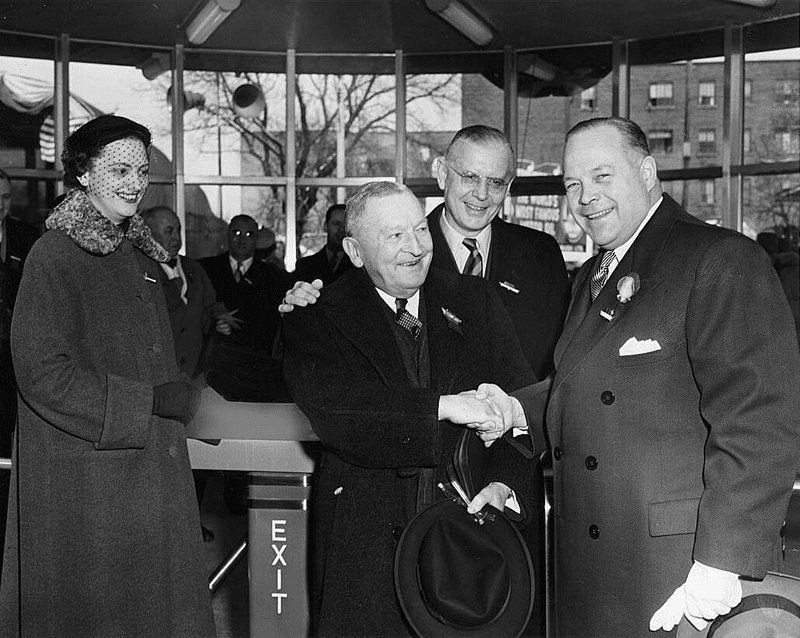
Lamport ran for mayor in 1951 but was unsuccessful. However, in 1952, he won the election and became Toronto’s mayor. During his term, Lamport oversaw the construction of the Toronto subway system, which opened in 1954 as Canada’s first subway line.
He also advocated for the creation of Regent Park, Canada’s first large-scale public housing project. Premier Leslie Frost later considered Lamport for the chairmanship of the newly established Metropolitan Toronto municipality, but Lamport declined the offer.
In 1954, Lamport resigned as mayor and, from 1955 to 1959, served as the head of the Toronto Transit Commission (TTC). During his tenure, he secured approval for the construction of the Bloor-Danforth subway line.
In 1960, Lamport ran for mayor again but lost to Nathan Phillips. Known for his blunt and candid approach, Lamport often clashed with Toronto’s emerging hippie movement. By the 1960s, Yorkville had become a haven for the counterculture. Lamport, opposed to the influx of hippies, ordered police to demolish buildings associated with the movement and replace them with a shopping centre. This conflict was documented in films produced by the National Film Board of Canada.
In 1962, Lamport returned to municipal politics, serving on the Board of Control. He made another unsuccessful bid for mayor in 1964 but later rejoined the City Council, serving first as a controller and later as an alderman.
For his numerous contributions to Toronto, Allan Lamport was appointed a Member of the Order of Canada in 1994. In his honour, Lamport Stadium and a frigate course on the Toronto Islands were named after him.