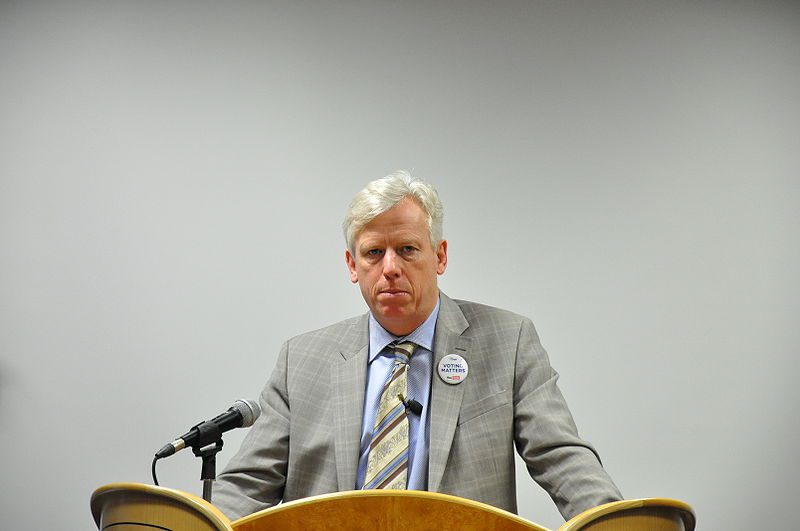

When discussing David Miller as the Mayor of Toronto, it’s fair to say that he actively introduced numerous reforms aimed at significantly improving the city, as highlighted by torontoyes.com. These initiatives were diverse, addressing waterfront revitalization, public transit, municipal reform, and public safety.
However, many of Miller’s initiatives were left unrealized due to his focus on long-term goals, which often faced opposition from detractors.
This article explores how Miller made his mark during his tenure as mayor, referencing toronto.ca.
Investment and the Expo Bid
In April 2005, David Miller initiated the city’s bid to host Expo 2015. According to the mayor, hosting this event would accelerate Toronto’s plans for waterfront revitalization and bring the city global recognition.
Toronto City Council voted in favour of submitting the bid. However, the bid ultimately failed in November 2006 due to a lack of agreement among federal, provincial, and municipal governments on who would bear the financial risks of hosting the event.
Energy Initiatives
As mayor, Miller was keen on improving the energy systems of both Toronto and the province. He opposed the provincial government’s plan to build a large power plant in Toronto’s waterfront area, advocating instead for a smaller-scale facility.
Miller also allocated funds for waterfront redevelopment, envisioning new promenades, public spaces, and beaches. Some of these plans were successfully implemented by late 2005.
Addressing Crime
Upon assuming office, Miller joined the ongoing debate over Toronto’s “police budget.” His administration increased police funding by $117 million.
In February 2004, Miller introduced a comprehensive anti-crime package, which included enhanced community programs and employment opportunities for at-risk youth. While the City Council supported the plan, some councillors doubted its effectiveness against serious offenders.
During the summer of 2005, amid a spate of shootings, Miller attributed Toronto’s gun violence to lax U.S. firearm laws, stating that much of the weaponry in the city originated from America. To address the situation, Miller approved the hiring of additional police officers and urged business leaders to help combat street crime by creating job opportunities for unemployed youth.
In the fall of 2006, Miller and Prime Minister Stephen Harper announced tougher bail conditions for individuals accused of gun-related crimes.
Environmental Goals
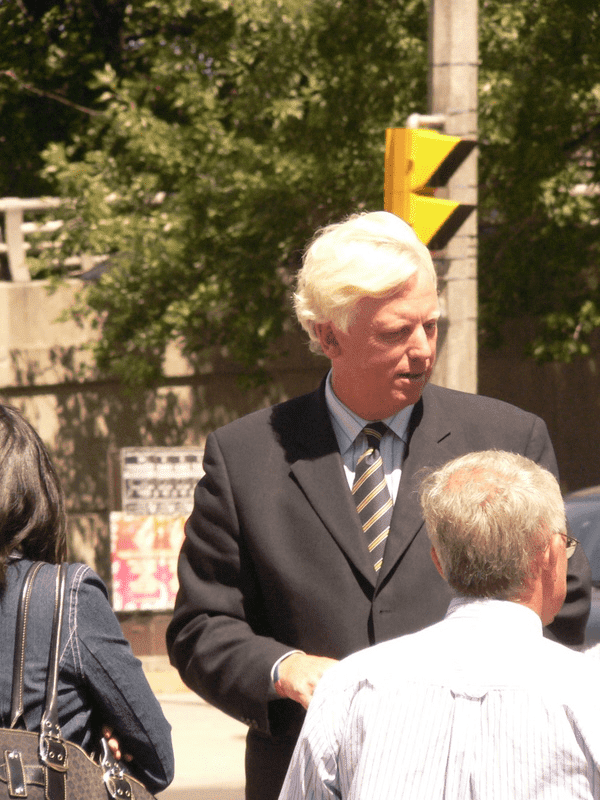
Improving Toronto’s environmental standards was another key priority for Miller. He developed the “Clean and Beautiful City” plan, which aimed to engage residents in beautifying Toronto. Millions of dollars were allocated for initiatives such as waste collection and the cleanup of neglected areas.
In May 2004, Miller announced the installation of 2,000 energy-efficient traffic lights. He also supported a lake-water cooling project, which used water from Lake Ontario to cool downtown office buildings.
A 2006 audit revealed that these initiatives made Toronto 40% cleaner. Encouraged by the results, Miller’s administration raised water rates by 9% in 2007, citing the need to repair aging water and sewage infrastructure.
David Miller’s tenure as Toronto’s mayor was marked by ambitious initiatives and a commitment to long-term urban improvement. While not all his projects reached fruition, his efforts to modernize and revitalize Toronto left a lasting impact on the city.
Photo: Wikipedia