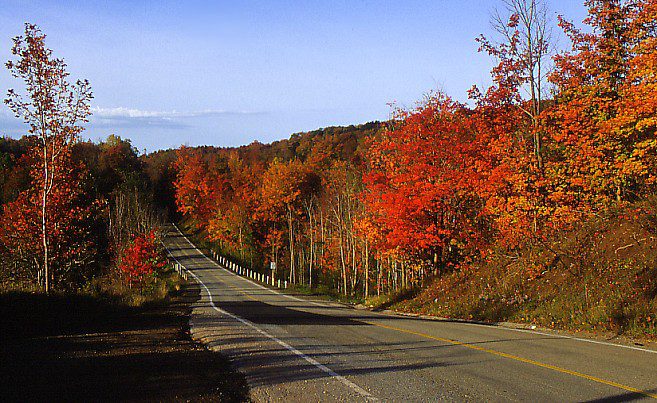

Toronto, Canada’s largest city, continues to expand its boundaries. To protect the natural areas surrounding the city, an important initiative was introduced in 2005: the creation of a special conservation zone known as the “Greenbelt.” This project aims to preserve the environment and limit urban sprawl. Read more about this transformative initiative on torontoyes.com.
The Origins of the Greenbelt
The “Greenbelt” was a necessary and significant political decision for Toronto and the Greater Toronto Area (GTA). Rapid urban expansion and population growth prompted the need for a proactive measure to safeguard natural landscapes. From 1991 to 2001, the region’s population grew from 6.5 million to 7.7 million, while agricultural productivity declined by 7% in the GTA and 6% in Hamilton.
The idea of the Greenbelt was proposed in 2003 by Ontario Premier Dalton McGuinty. The following year, the Greenbelt Protection Act was passed, imposing a moratorium on certain land uses under unrestricted development plans.
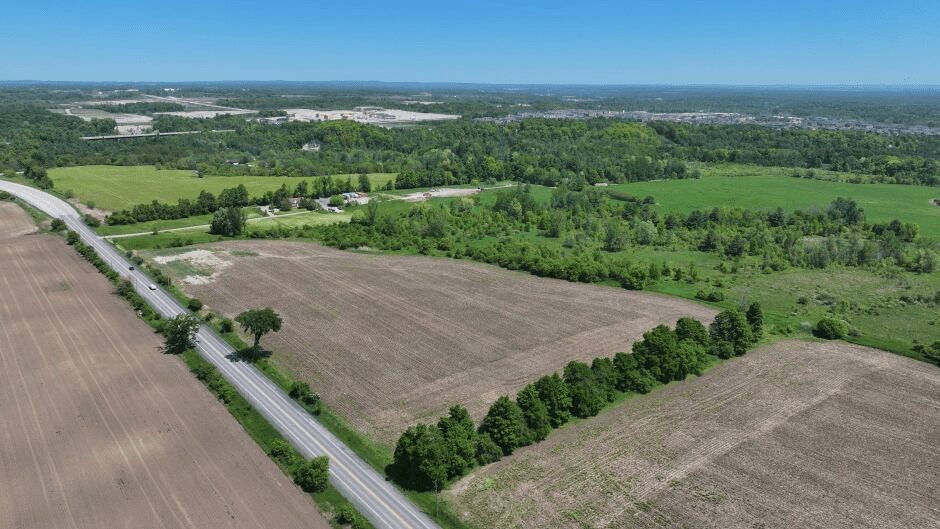
In 2005, the Canadian government officially established the Greenbelt, encompassing approximately 7,300 square kilometers of land. This vast area includes green spaces, agricultural land, forests, wetlands, and watersheds in southern Ontario surrounding Toronto.
Understanding the Greenbelt
The Greenbelt aims to prevent urban sprawl and mitigate environmental degradation. Its objectives include preserving natural landscapes, protecting ecosystems around Toronto, and ensuring clean water in rivers and other bodies of water. This initiative improves the quality of life for residents by maintaining biodiversity, safeguarding water resources, and supporting sustainable agriculture.
The Greenbelt serves as a model for other regions and countries, showcasing how to balance urban growth with environmental protection. Additionally, it promotes eco-tourism and agricultural development while fostering collaboration between Toronto and neighboring municipalities to expand this protected area.
The Greenbelt in the Modern Era
In 2015, a ten-year review of the Greenbelt project was conducted. Public meetings and online surveys were held, revealing divided opinions. Developers and real estate professionals argued that the initiative restricted affordable housing construction in southern Ontario. Urban planners, however, countered that vast areas of land designated for development remained unused. Ultimately, the Greenbelt was preserved from encroaching development during this review.
However, in 2022, 7,400 acres of Greenbelt land were removed from protection. In 2023, Ontario’s Auditor General released a report indicating that developers could profit over $8 billion from these lands. As a result, construction of homes priced at $500,000 or less was permitted within the Greenbelt, sparking public criticism.
In response, Minister Calandra introduced a bill aimed at restoring the Greenbelt lands removed in 2022, highlighting the importance of this conservation zone to Toronto’s future development.
The creation of the Greenbelt remains a defining initiative that has significantly shaped Toronto’s development. As the city continues to grow, this protected area plays a critical role in ensuring a sustainable future.
We hope this article has provided you with valuable insights into this key aspect of Toronto’s history and development.
What other significant political events have shaped Toronto? Share your thoughts in the comments on our social media platforms.