
The political history of Toronto is a vast subject, shaped by numerous mayors and councillors who left their mark on the city’s development. Today, we turn our attention to Henry Sherwood, a lawyer and political figure who moved to Toronto after completing his education. Learn more about his life and career in this article based on torontoyes.com.
Education and Early Life
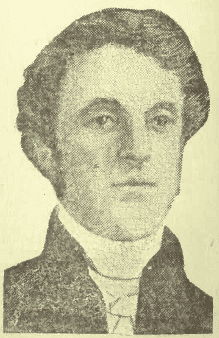
Henry Sherwood was born in 1807 in Augusta, Upper Canada, into a large family. One of his brothers pursued a career as a lawyer and politician, and the Sherwood family was closely tied to the Family Compact, the oligarchic group that controlled Upper Canada’s government.
Sherwood attended Home District Grammar School. At the age of 22, he married Mary Graham Smith, and together they had eighteen children.
Move to Toronto and Legal Career
After completing his education, Sherwood moved to York, a suburb of Toronto at the time. He began his career as an articling clerk and became involved in the Types Riot, an event orchestrated by members of the Family Compact. During the riot, rebels attacked and burned the printing press of the Colonial Advocate, a political newspaper.
Later, Henry Sherwood and his brother established a law practice in Toronto while also engaging in business ventures.
In 1838, Sherwood was appointed Queen’s Counsel, and his legal career flourished. He became a sought-after lawyer, gaining prominence in the legal community.
Sherwood also had military experience, serving in the 4th Leeds Militia Regiment. In 1837, he was appointed aide-de-camp to Sir Francis Bond Head, the lieutenant governor of Upper Canada.
Political Career
In addition to his legal work, Henry Sherwood harboured strong political ambitions, inspired by his family’s legacy. He became a member of the Upper Canada Conservative Party and actively participated in elections, although not all of his early attempts were successful.
In 1836, Sherwood was elected to the Legislative Assembly of the 13th Parliament of Upper Canada.
In 1844, Sherwood achieved a significant milestone by becoming Mayor of Toronto. Though his tenure lasted just one year, he accomplished notable initiatives, including:
- Regulating the city’s markets.
- Paving streets and improving infrastructure.
- Implementing effective tax collection systems.
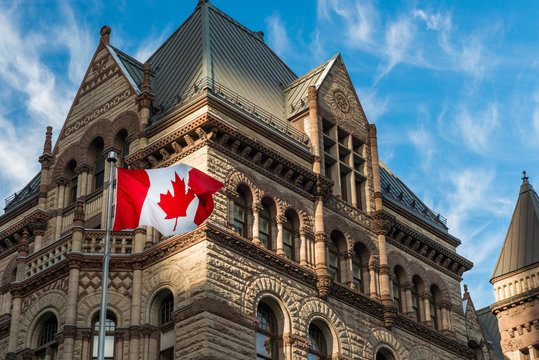
- Proposing plans to expand Toronto’s City Hall, which he believed was too small for the growing municipal government.
Sherwood also supported initiatives to enhance trade routes, which contributed to the economic integration of the province.
After his term as mayor, Sherwood served as Premier of the Province of Canada. As a conservative leader, he championed policies that maintained strong ties between Canada and Great Britain. His premiership was marked by efforts to address tensions between Franco-Canadians and Anglo-Canadians during a pivotal period in Canada’s political evolution.
Henry Sherwood passed away in 1855 in Bavaria while travelling through Europe. He was 48 years old.
Sherwood’s legacy remains embedded in Toronto’s history. As a political leader during Canada’s transitional period, he helped lay the groundwork for the city’s future growth. His contributions to Toronto’s infrastructure and governance were significant, and his efforts to foster economic and social development marked him as a pivotal figure in the city’s history.
This is the story of Henry Sherwood, a lawyer, politician, and mayor who helped shape Toronto during a transformative period in Canadian history. We hope this article offered you valuable insights into your city’s past and the contributions of this notable political figure.