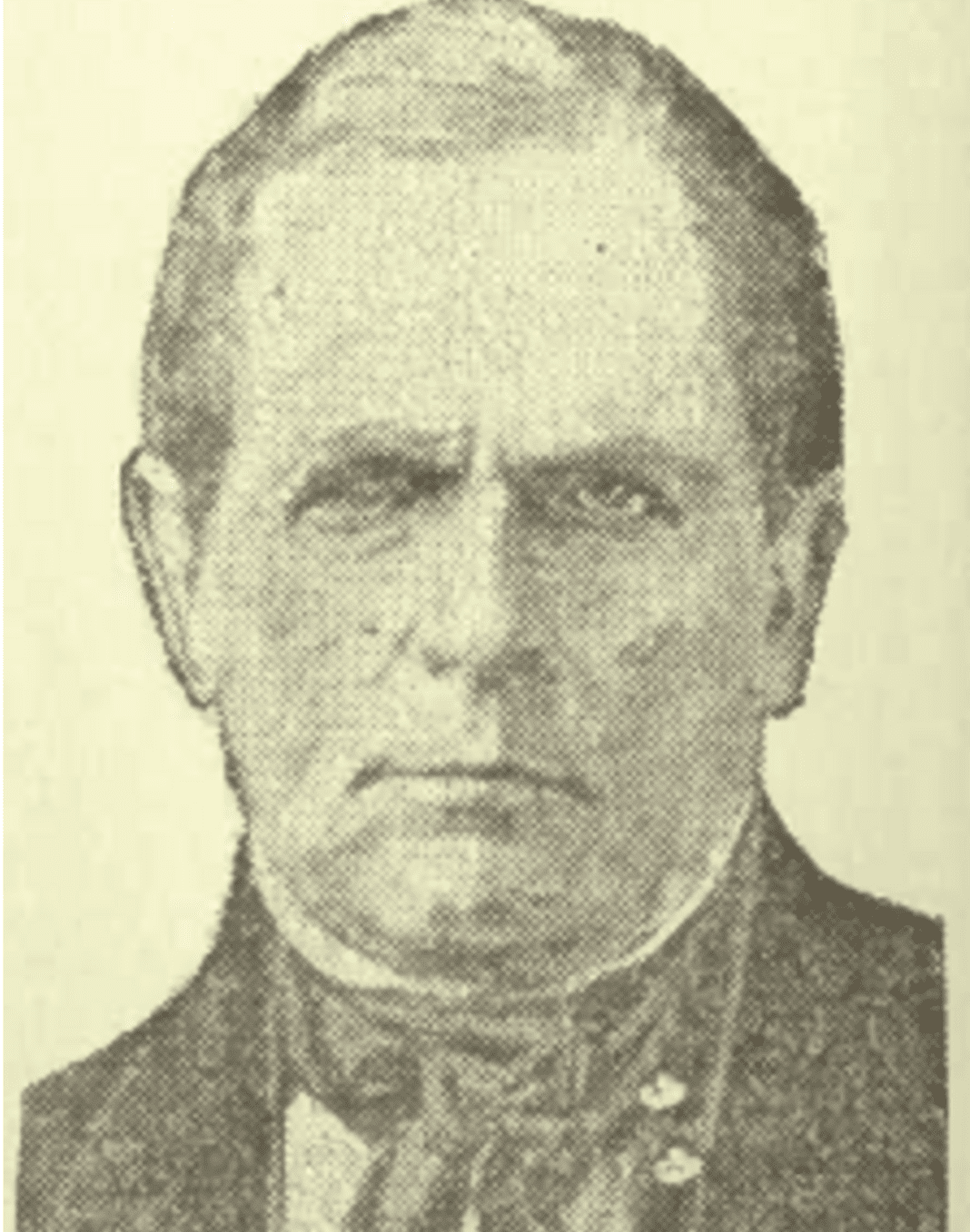

Thomas David Morrison – an honest civil servant, talented doctor, distinguished diplomat, and the third mayor of Toronto. This article explores his life, political role, arrest, trial, and more. Read more on torontoyes.
General Information About Thomas and His Medical Career
Thomas David Morrison was born in Quebec, where his father served as a senior works clerk in the Royal Engineers Department. During the War of 1812, young Morrison worked as a clerk in the British Army’s medical department. After downsizing, he became a draftsman in the Surveyor General’s office in York. In 1818, he married the sister of William Poyntz Patrick, clerk of the House of Assembly and a prominent Methodist. That same year, Morrison helped organize York’s first Methodist church.
In June 1822, Surveyor General Thomas Ridout dismissed Morrison for expressing “opinions quite unbefitting a man employed in one of His Majesty’s public offices.” Afterward, Morrison is believed to have traveled to the United States to pursue medical education. Upon returning to York, he passed an examination by Christopher Widmer, Grant Powell, and Robert Charles Horne of the Upper Canada Medical Board on July 5, 1824, earning a license to practice “physic, surgery, and midwifery.”

Morrison prospered as a physician. During the 1832 cholera outbreak, he served on York’s special health board and played a courageous role in combating more dangerous epidemics in 1834. During this time, he joined physicians William Warren Baldwin and John E. Tims in managing the York Dispensary, which opened on August 22. There, Morrison prescribed and distributed free medicines to 746 patients at a cost of £118, 3 shillings, and 4 pence. In early 1836, he was appointed to the Medical Board, serving until the winter of 1837–1838. Concurrently, he acted as vice-president of the Bible Society, trustee of York General Burying Ground, and trustee of York’s general school.
Thomas Morrison’s Role in the Dismissal of a Judge
In politics, Morrison played a significant role in reform agitation during the 1820s. Although he lacked the drive of William Lyon Mackenzie or the intellectual contributions of Baldwin, John Rolph, or Marshall Spring Bidwell, Morrison’s skills as an orator made him highly sought-after in a politically charged community with frequent public gatherings and demonstrations.

Morrison first sought public office in York during the provincial elections of 1828, amid the uproar surrounding the dismissal of Judge John Walpole Willis by Sir Peregrine Maitland. A committee of radical reformers, including Mackenzie, Jesse Ketchum, and Francis Collins, convened in York to select a candidate to oppose Attorney General John Beverley Robinson, a key figure in Willis’s dismissal. Despite some reformers supporting the more moderate Robert Baldwin, Morrison was chosen.
William Warren Baldwin, Robert’s father and himself a candidate in Norfolk, nominated Morrison at the convention, signifying solidarity among reformers. Unfortunately, their efforts in York were unsuccessful: Robinson won (110 votes to 93). Morrison challenged the results, citing illegal voting and misconduct by returning officer William Botsford Jarvis. Although his case was compelling, Robinson’s election stood.

Thomas Morrison as Mayor
In Toronto’s first municipal election in 1834, Morrison was elected alderman for the St. Andrew’s Ward in a council dominated by reformers. During deliberations for the mayoral position, he supported Mackenzie’s candidacy. However, acting as a mediator, he was asked to read John Rolph’s resignation letter as alderman, as Rolph sought the mayoralty. In the 1834 provincial elections, where reformers won four York ridings, Morrison finally secured a seat in the third riding. In 1836, he was elected mayor for one year.
As mayor, Morrison’s council spent some time on municipal issues, such as constructing a waterworks system and introducing gas street lighting. However, like previous councils, it was preoccupied with provincial political conflicts. In February 1836, Morrison signed an optimistic address to the new Lieutenant Governor, Sir Francis Bond Head, expressing hope for reforms. Following the resignations of Rolph, John Henry Dunn, and Robert Baldwin from the Executive Council (March 1837) and Mackenzie’s defeat in the provincial elections (July 1837), the council became a platform for reformers. That summer, Morrison was re-elected to the Legislative Assembly but left the city council after his mayoral term ended.
Imprisonment, Exile, and Return to Toronto
As reform demands intensified in 1837, Morrison continued to play a prominent public role, particularly in the assembly. In July, he attended a reformers’ meeting at John Doyle’s brewery, supporting Mackenzie’s proposal to greet reformers in Lower Canada. Reluctantly, Morrison signed the declaration of reforms drafted at the meeting and joined the Central Supervisory Committee. He chaired a second meeting at Doyle’s brewery but refused to support Mackenzie’s insurrection plan.

Morrison, like leading city reformers such as Rolph, Bidwell, and William Warren Baldwin (with whom he likely consulted), was unwilling to participate openly in Mackenzie’s plan to raise forces in the countryside and march on Toronto. According to Charles Lindsey, he “remained at home” during the failed rebellion. However, after its suppression, Morrison was arrested by the militia and jailed without bail. His treason trial began on April 24, 1838, where Morrison’s life hung in the balance. His innocence, argued by Robert Baldwin, was bolstered by Mackenzie’s statements from abroad and conflicting evidence of Morrison’s signature on the July 1837 reform declaration. Ultimately acquitted, he fled Toronto to the United States on April 29, 1838, to avoid lesser charges.
Exiled for five years, Morrison established a medical practice but resisted permanent settlement in Michigan. In 1843, after the Canadian government declared amnesty, Morrison returned to Toronto.
Morrison’s political career was closely tied to the reform movement in Upper Canada. At his career’s peak in 1836–1837, he played an important, though not central, role in shaping events. He passed away from paralysis at his Adelaide Street home on March 19, 1856.
Sources: