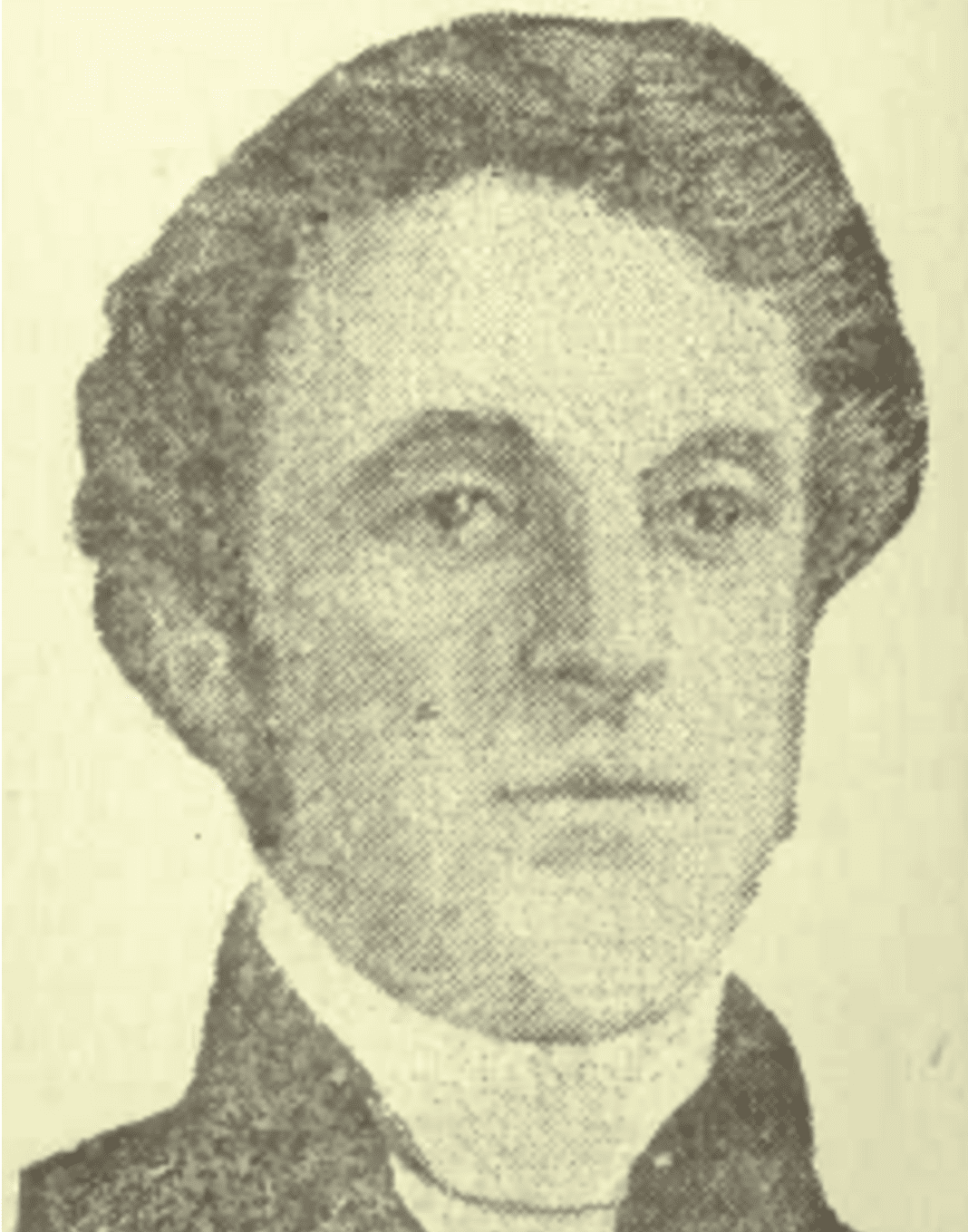

Henry Sherwood – an official, militia officer, lawyer, businessman, politician, and judge. Read more on torontoyes.
How Did He Become Interested in Politics?
The Sherwood and Jones families (Henry’s parents’ surnames) formed a significant part of the local elite managing affairs in the Johnstown District. Specifically, through Henry’s father and his uncle Jonas Jones, they maintained close ties with the ruling elite in York (Toronto), greatly contributing to provincial politics and the judicial system. As a result, Henry Sherwood grew up well-versed in governance and later reinforced his knowledge at the Home District Grammar School under Reverend John Strachan.
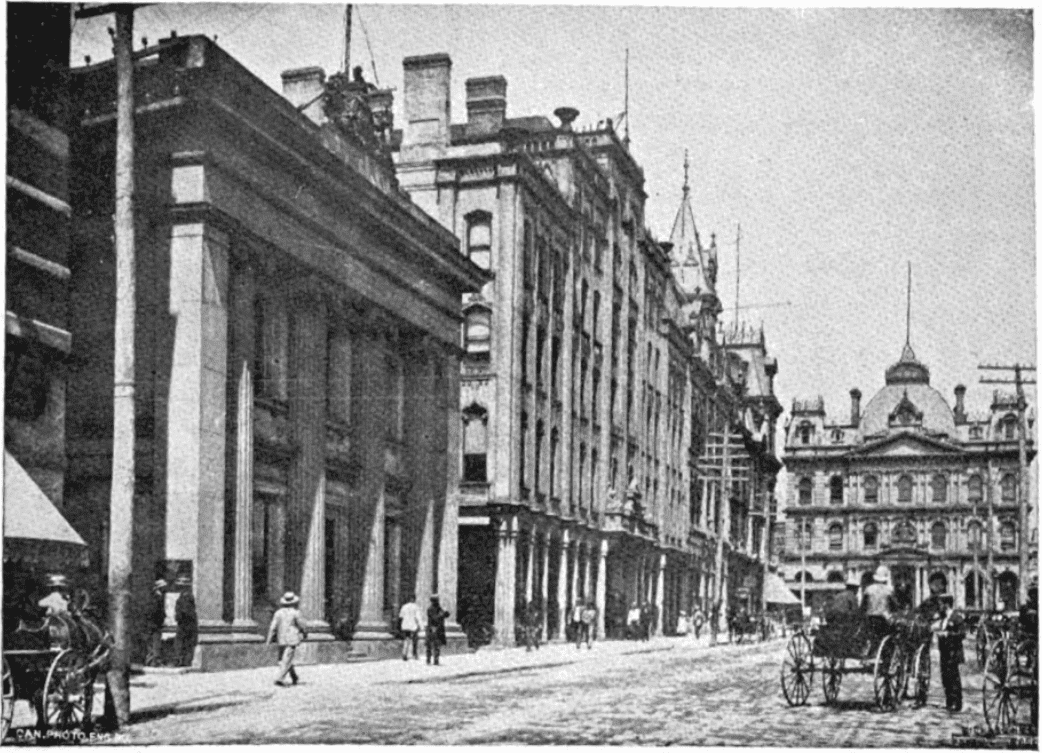
After being articled in York at the law firm of his uncle, Solicitor General Henry John Boulton, Sherwood was admitted to the Law Society of Upper Canada on Michaelmas in 1828. He then began practicing law in Prescott and possibly in Brockville, where he resided. Soon, Henry developed a wide range of economic interests. Like many of his contemporaries, he speculated in wildlands, once advertising the sale of 3,274 acres scattered across eastern Upper Canada. In 1830, Henry actively participated in establishing a branch of the Bank of Upper Canada in Brockville, and when this initiative failed, he joined efforts to create an independent bank there.
Activities in Brockville
Later, Sherwood became a local solicitor for the Bank of Upper Canada but aspired to the more lucrative position of cashier. He was also involved in advancing forwarding trade, particularly in Brockville. His efforts paid off, as he was appointed a director of the Saint Lawrence Inland Marine Assurance Company, an organization based in Prescott and founded in 1833. Sherwood also served as the first secretary of the district agricultural society. In short, he emerged as an active advocate for the general prosperity of the Johnstown area and his welfare. His government role bolstered his interests: as a law student, he secured a clerkship in the western district courts, where his father occasionally presided. In 1830, he was named one of three customs commissioners for the Johnstown District, marking a small step toward local government.
Sherwood was likely the leading proponent of establishing a police board in Brockville. He strongly opposed reformer Andrew Norton Buell, supported open voting, and favored dividing the town into wards. In 1832, legislation on these matters passed, much to Sherwood’s satisfaction. That same year, he was elected as one of the board’s first members.
Involvement in the Riot and Work in Banking
From adolescence, Sherwood engaged in politics, unsurprising given his conservative upbringing. He participated in the notorious riot of June 8, 1826, when a mob destroyed the press and other equipment of the radical York newspaper Colonial Advocate edited by William Lyon Mackenzie. In November 1827, Henry was among Mackenzie’s opponents at the York electoral district nomination meeting. In 1828, he quarreled with dissident Judge John Walpole Willis, who claimed Sherwood threatened his life while drunk. Over time, Sherwood’s political behavior became more conventional.
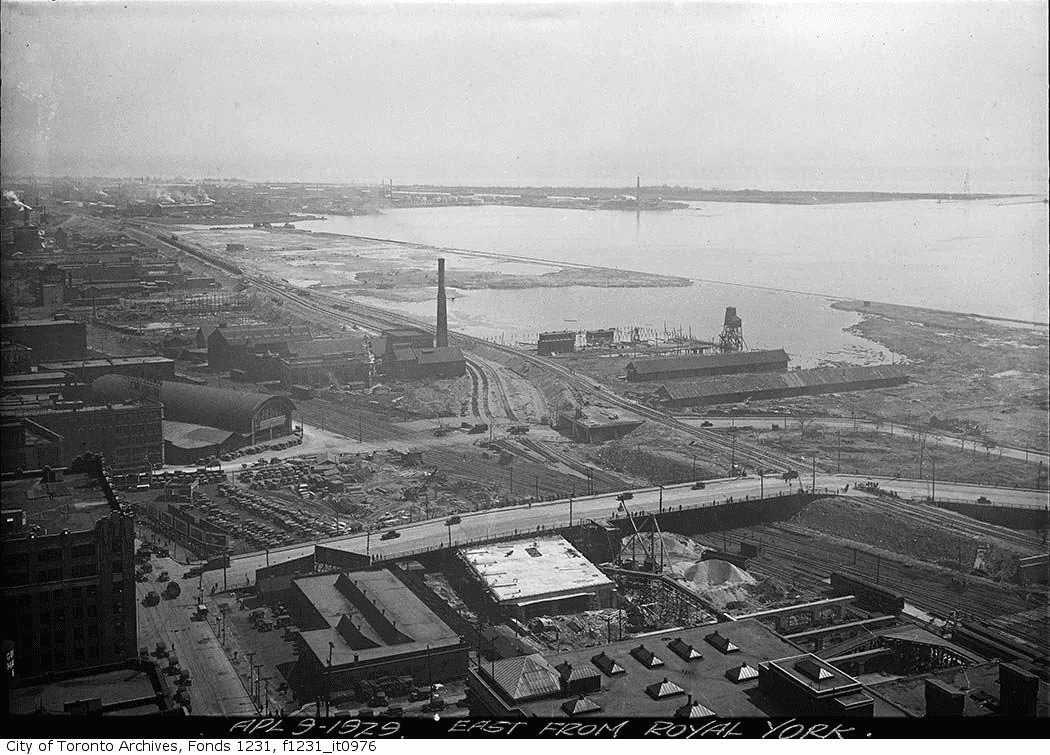
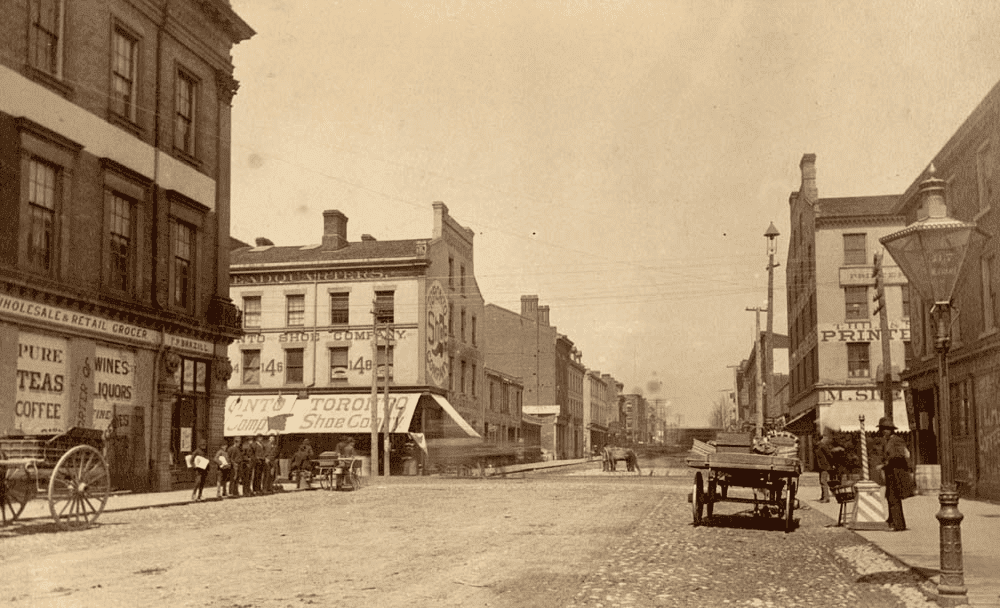
Sherwood later shifted his focus to Toronto. On July 29, 1835, he and his notable brother-in-law John Elmsley were elected to the board of the Farmers’ Joint Stock Banking Company. The early months of this private Toronto bank were marked by controversies, with reformers on the board and Captain George Truscott, head of Truscott, Green and Company, forced out. Sherwood seemed to play a key role in these maneuvers, though evidence is inconclusive. Meanwhile, a long-delayed project was underway – building a railway between Toronto and Lake Simcoe. Sherwood showed great interest in this venture, ultimately settling in Toronto and founding his law practice near the market buildings in November 1835.
Membership in Parliament
Sherwood’s first parliamentary session from November 1836 to March 1837 defined much of his career. He quickly mastered political procedures and debate. As an MP, his efforts were relentless. He took a keen interest in judicial reform and raising professional standards. Later, he worked to regulate healthcare and led a committee critiquing the 92 Resolutions proposed by Louis-Joseph Papineau in 1834. Rejecting Papineau’s agenda, Sherwood adopted a more radical Tory stance. When the Upper Canada Assembly voted to unite with Montreal, Sherwood opposed a legislative union with Lower Canada.
Sherwood firmly opposed responsible government and an elected legislative council but rejected imperial interference, citing the Constitutional Act of 1791. He advocated distributing clergy reserves among Christian denominations to promote religious harmony. His legislative initiatives, including a Brockville bank bill and broader support for charter banks, reflected his opposition to centralized financial systems.
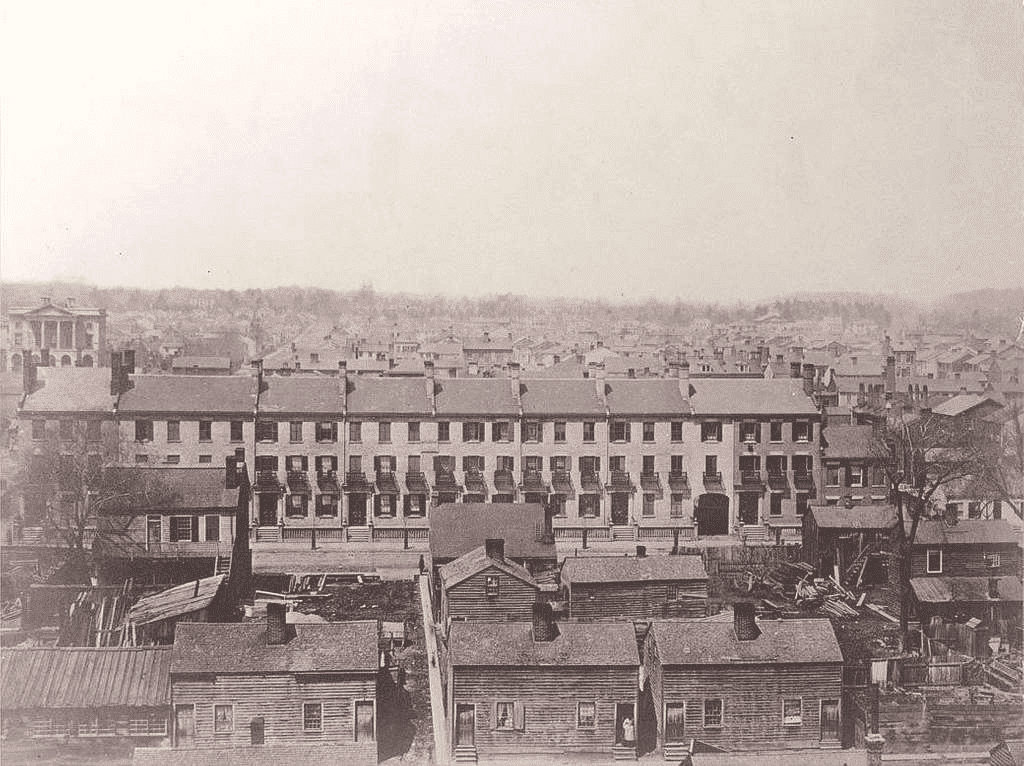
In 1842, Sherwood was elected mayor of Toronto for three annual terms. Despite his intelligence and oratory skills, he often prioritized self-interest over principles, leaving him unremarkable even in Toronto. His career highlighted Toryism’s contradictions, transitioning from radicalism to conservatism, and balancing business, professional, and ecclesiastical interests.
Sources: