
The First and Second World Wars are forever remembered as the most tragic and bloodiest periods, writes torontoyes. Schools, colleges, and universities emphasize the importance of studying these devastating conflicts. However, educational programs often overlook how the wars impacted children’s education.
With references to utoronto.ca, we shed light on Canadian schools during the First and Second World Wars.
The First World War
Special Publications
With the onset of the war, Ontario began producing brochures, periodicals, school regulations, and other materials detailing adjustments to the education system. These documents provide valuable insights into schooling during the wartime period.
“Wartime Education Rules”
Ontario’s Ministry of Education promptly addressed disruptions caused by the war in 1914 by issuing special regulations to be implemented throughout the conflict. These rules were updated annually to reflect evolving needs.
One pressing issue the ministry tackled was the enlistment of young men and women into military service before graduation. To address this, the ministry decided to exempt enrolled students from final examinations. These students were either permitted to take exams early or complete them during the summer.
Child Labour
The war and the mass departure of teachers for military service greatly impacted education. Students were given opportunities to work on farms, addressing the severe labour shortages in Ontario’s agricultural sector.
Pupils who volunteered on farms were exempted from end-of-year exams and allowed to complete their studies ahead of schedule.
The Necessity of Teaching About War
The regulations emphasized the need to teach children about the war. Educational materials covered both the immediate and distant causes of the conflict, as well as specific military events.
Additionally, the rules stipulated that at least one question on final history exams must address the war.
Curriculum Adjustments
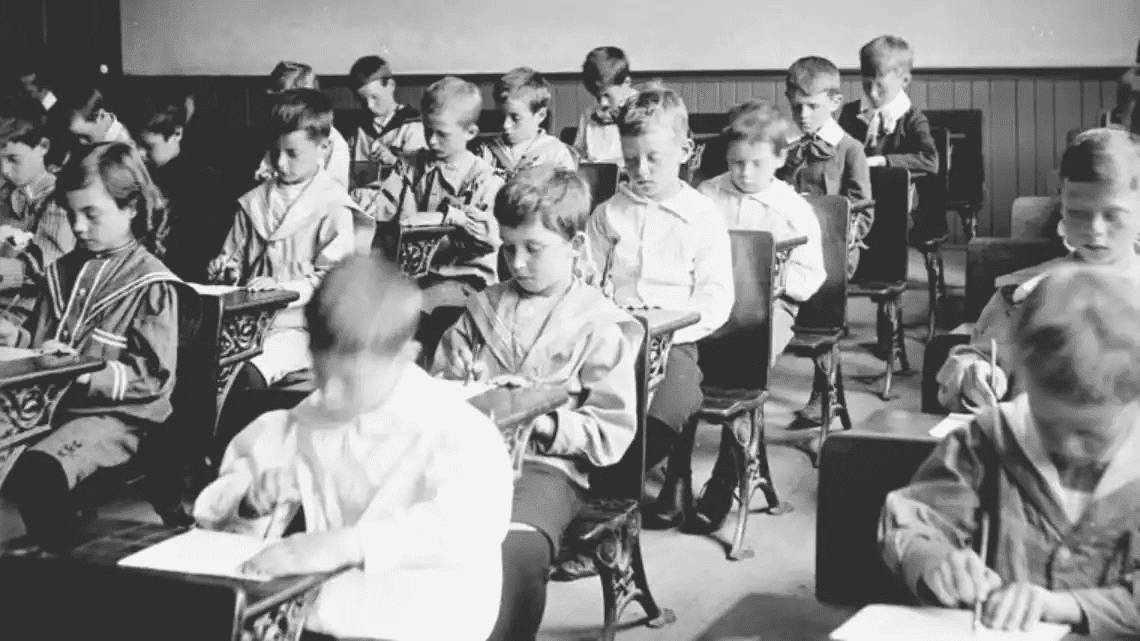
The entire curriculum was adapted to suit students’ understanding levels.
By 1915, teachers were encouraged to use the Children’s War History, a publication featuring detailed accounts of military events. Teachers were also advised to supplement lessons with newspaper clippings and organize excursions to military training grounds and aviation exhibitions.
Educational Publications
Teachers were provided with additional resources to help present wartime information to students.
Shortly after the war began, numerous books and recommended reading lists were published by the provincial Ministry of Education. These publications often included detailed descriptions of military events and initiatives supporting the war effort.
The Second World War
When the Second World War began, new rules, guidelines, and instructional materials for schools were introduced. Special regulations for educational institutions were enacted, and teachers were provided with resources to teach “military” subjects.
By 1941, schoolchildren once again participated in farm work, as the war effort caused severe labour shortages on provincial farms.
Unlike during the First World War, the Second World War introduced additional concerns. Canadian schools had to develop emergency measures to protect children during air raids.
Schools were also equipped with brochures and pamphlets containing information on how to support military efforts. These materials described key wartime events and ways to assist Canadian forces. They were widely distributed across all provincial schools.