
On August 4, 1914, Great Britain declared its participation in World War I, automatically bringing Canada into the conflict. During this time, Canadian national pride and affection for the British Commonwealth ran high. Learn more about the role of Toronto’s women during World War I on torontoyes.com.
In light of the war, Canadians grew increasingly suspicious of immigrants, calling for their detention. As a result, over 9,000 individuals were interned. These men were forced into labour, building roads and clearing land under harsh conditions that involved hunger and mistreatment.
As unemployed Canadian men enlisted in the army, followed by broader mobilization efforts, Toronto—and much of Canada—was left with women and men deemed unfit for military service.
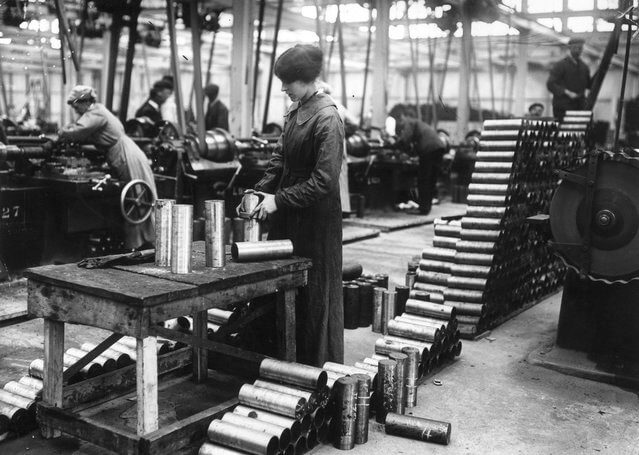
During this period, new industries emerged, including government-run arms and ammunition production facilities, where women found employment. The war drastically transformed daily life. Discover how women in Toronto worked and what they earned during this time.
Women Supporting the Military
World War I is often called the “women’s war,” and rightly so. Women took on roles traditionally held by men. Despite this, strict guidelines were in place regarding what women were allowed and forbidden to do during the war.
- Prohibited from Frontline Combat: Women were strictly forbidden from fighting on the frontlines. However, many expressed a desire for military training. Some even practiced shooting in preparation for a potential invasion of Canadian soil.
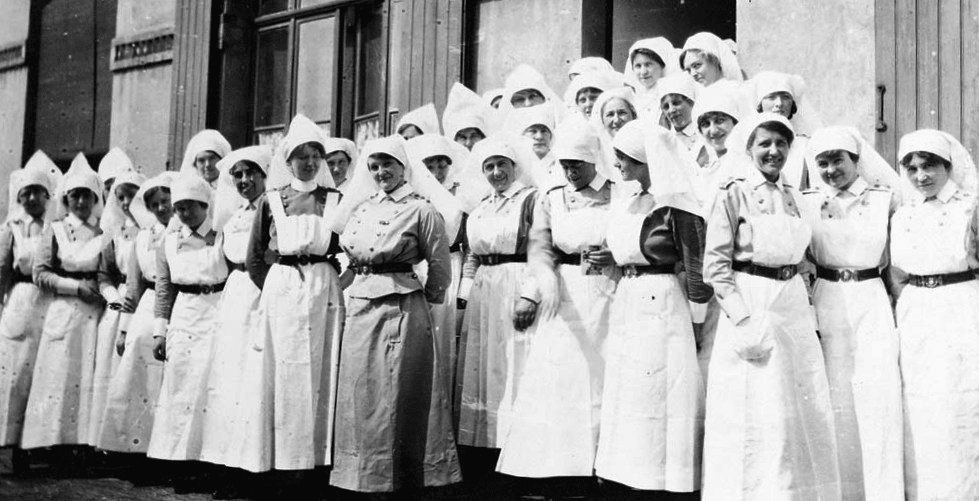
- Limited to Nursing Abroad: Only women with medical training were allowed to work on the frontlines overseas.
More than 2,000 women from Toronto served abroad as nurses. Canadian nurses gained military status and were entitled to pensions after the war. If a nurse died during service, her spouse also received a pension.
Working as a nurse on the frontlines was a grueling and traumatic experience. Many nurses who witnessed the horrors of World War I firsthand suffered from post-traumatic stress disorder.
Back home, women continued to serve as nurses in hospitals, treating wounded soldiers. Others worked as volunteers, collecting funds to purchase food, clothing, and supplies for soldiers.
Women who raised funds through war bonds or entertained soldiers with music and dance performances earned special respect.
Some women picked fruit, earning 15 cents an hour while working long hours from 7 a.m. to 6 p.m.
During the war, special women’s councils were established to collect supplies for soldiers. Women with talents in singing and dancing organized street performances in Toronto, using them to raise money for the military.
For example, a concert held in Toronto in 1914 raised $70. That same fall, women organized a lunch stall downtown, using the proceeds to buy materials for sewing essential items for soldiers.
Supporting Soldiers’ Families
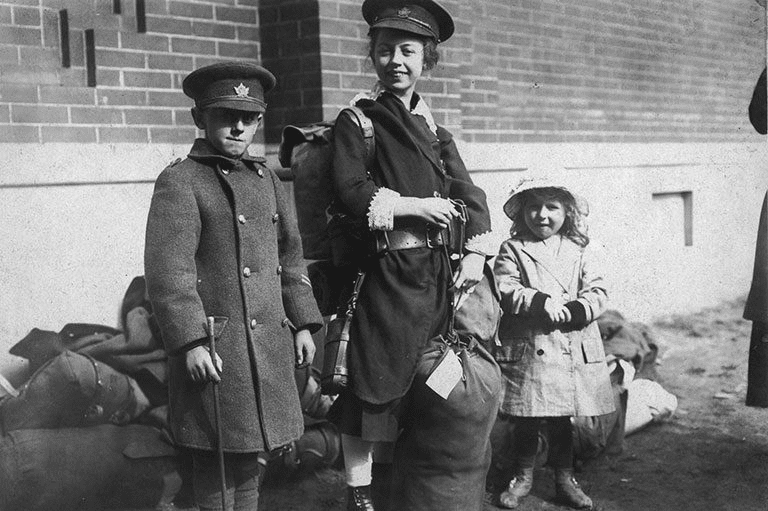
Families where the husband and father was the sole breadwinner often faced extreme hardship when he was sent to the front. Military wages were insufficient to support families, and women caring for children were often unable to work.
The government offered some relief, paying soldiers’ wives a monthly stipend of $20.
Additionally, the government collected donations from wealthy families and redistributed the funds to those in need. A total of $47 million was raised during the war. Unfortunately, this assistance was not always distributed fairly, and many women were forced to seek help from volunteers.
After the war ended, finding employment became more challenging for women. Employers often prioritized hiring men returning from the front, making it difficult for women to maintain the independence they had gained during the war.
Toronto women played a crucial role during World War I, stepping into new roles with resilience and dedication. Despite the hardships they faced, their contributions had a lasting impact on Canadian society.