
On November 11, 1918, the Armistice of Compiègne was signed between Germany and the Allied powers (Great Britain, France, and the United States), marking the end of World War I. Celebratory parades took place in every victorious nation, and Toronto was no exception. Learn more about the 1918 Victory Parade on torontoyes.com.
A Grim Toll in Numbers
World War I left a devastating impact on humanity, claiming millions of lives. Globally, approximately 70 million young men were mobilized, with 8 to 10 million killed or missing and about 23 million injured.
In Toronto, over 70,000 citizens served in World War I, and 10,000 of them never returned home.
This was not just a war between armies but a “total war” that engulfed entire nations. All resources—economy, industry, and society—were redirected to support the military. Household goods production, transportation, and food supplies were all focused on the war effort. Estimated wartime expenditures exceeded $200 billion.
The line between military and civilian life blurred, with over 20 million civilians killed. Many fell victim to combat, crimes against humanity, or famine and disease. Between 50 and 100 million people perished during the Spanish flu pandemic, an indirect consequence of malnutrition, poor hygiene, and wartime hospital conditions.
Millions were displaced, forced from their homes by military action or government policies. Empires collapsed, governments went bankrupt, and countless lives were devastated. Only on November 11, 1918, could people begin to rejoice and recover from the horrors they had endured.
A Day of Grand Celebration
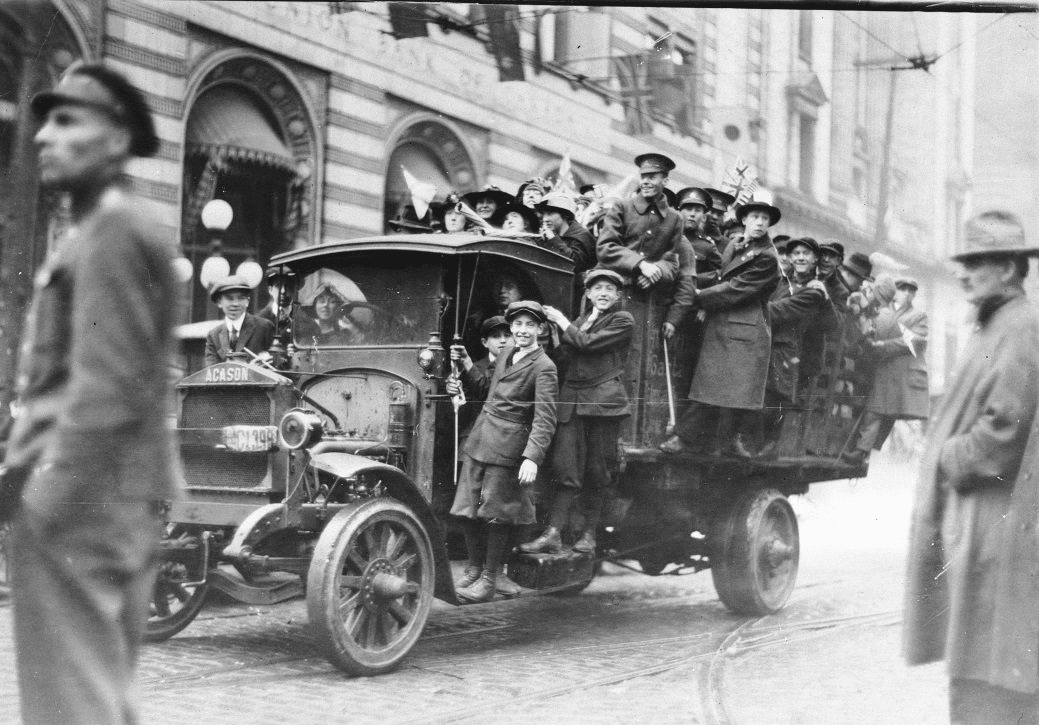
The armistice was signed overnight on November 11, 1918, and the news of victory reached Toronto by morning. Newspapers like Mail and Empire reported that a man living on Parliament Street woke at 4 a.m. to hear the news of peace and immediately went outside to share the joyous announcement with his neighbours.
In celebration of the armistice, November 11 was declared a public holiday in Toronto. Streetcar operators were among the first to refuse to work that day. The city planned a Victory Parade, which took place on the main square of Toronto. Soldiers marched, military vehicles paraded, and the Royal Air Force presented a spectacular air show.
The Mail and Empire newspapers noted that the flags of the victorious nations flew from nearly every building in the city. Cars adorned with flags drove through the streets, and Yonge Street became almost impassable due to the massive crowds gathered to celebrate. The festivities continued late into the night.
Remembering Forever
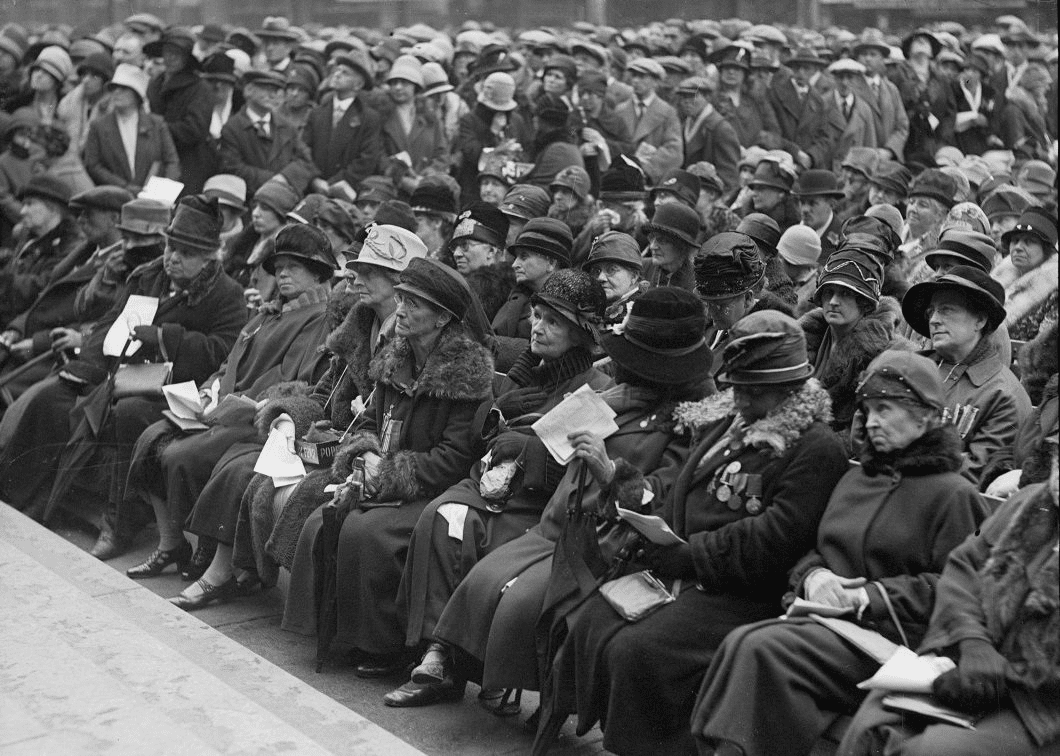
Every year on November 11, the nations of the Allied forces commemorate the lives lost during World War I. This day of remembrance is observed not only in Canada but also in countries like the United Kingdom, Australia, New Zealand, and others.
World War I profoundly impacted Canadians and reshaped the nation. Unlike earlier conflicts, which were fought by smaller units of professional soldiers or militia members, the Great War involved civilian participation on an unprecedented scale.
To honour those who gave their lives for victory, Toronto erected numerous memorials, often placed near city halls, in parks, schools, and other public spaces. Even private companies installed memorials to recognize their employees who had fallen during the war.
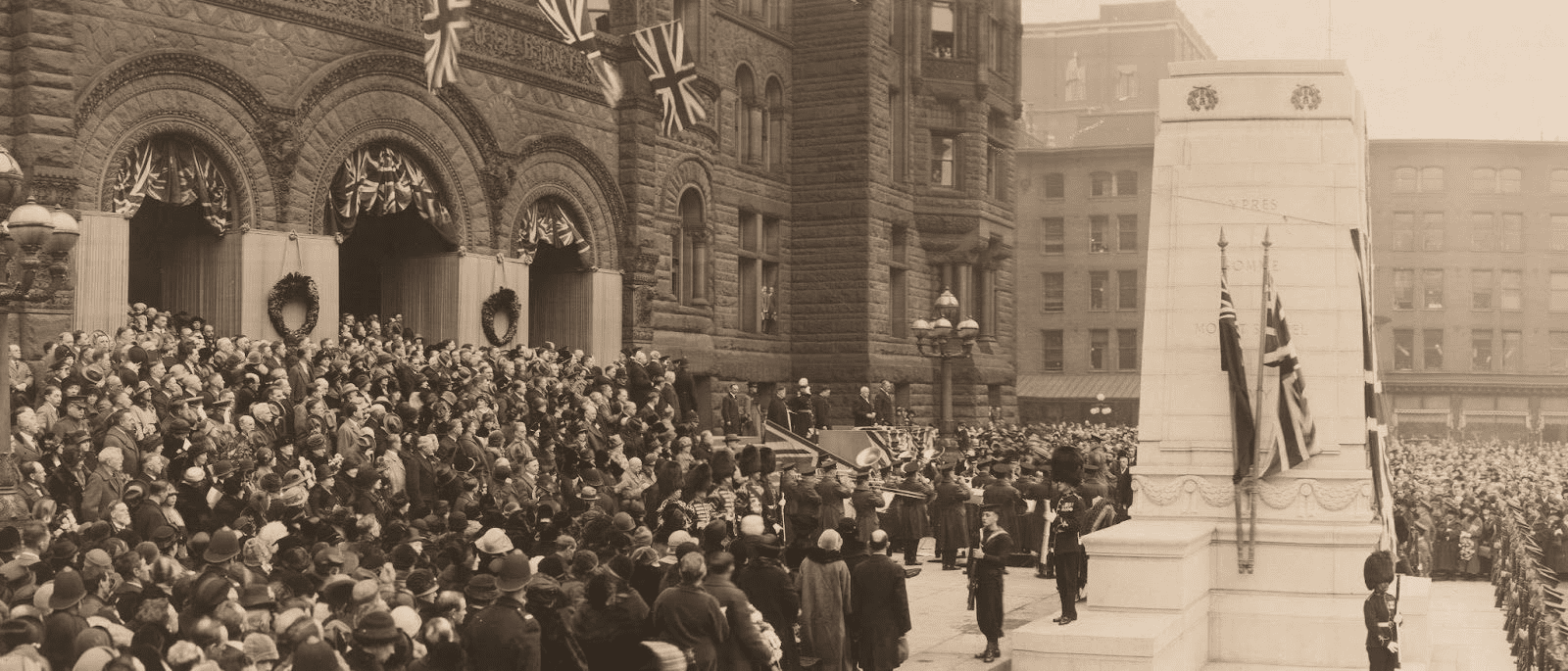
In the summer of 1925, Field Marshal Earl Haig laid the cornerstone for the Toronto Cenotaph. Built in front of the old city hall, this memorial replaced a temporary wooden structure. The cenotaph was officially unveiled on November 11, 1925, and continues to stand as a lasting tribute to those who sacrificed their lives for peace.