

Public schools, colleges, and universities in Toronto made significant contributions to the victory in World War I. Students and faculty were mobilized to support military efforts, both directly and indirectly. Learn more about their impactful involvement on torontoyes.com.
Full Mobilization of Students
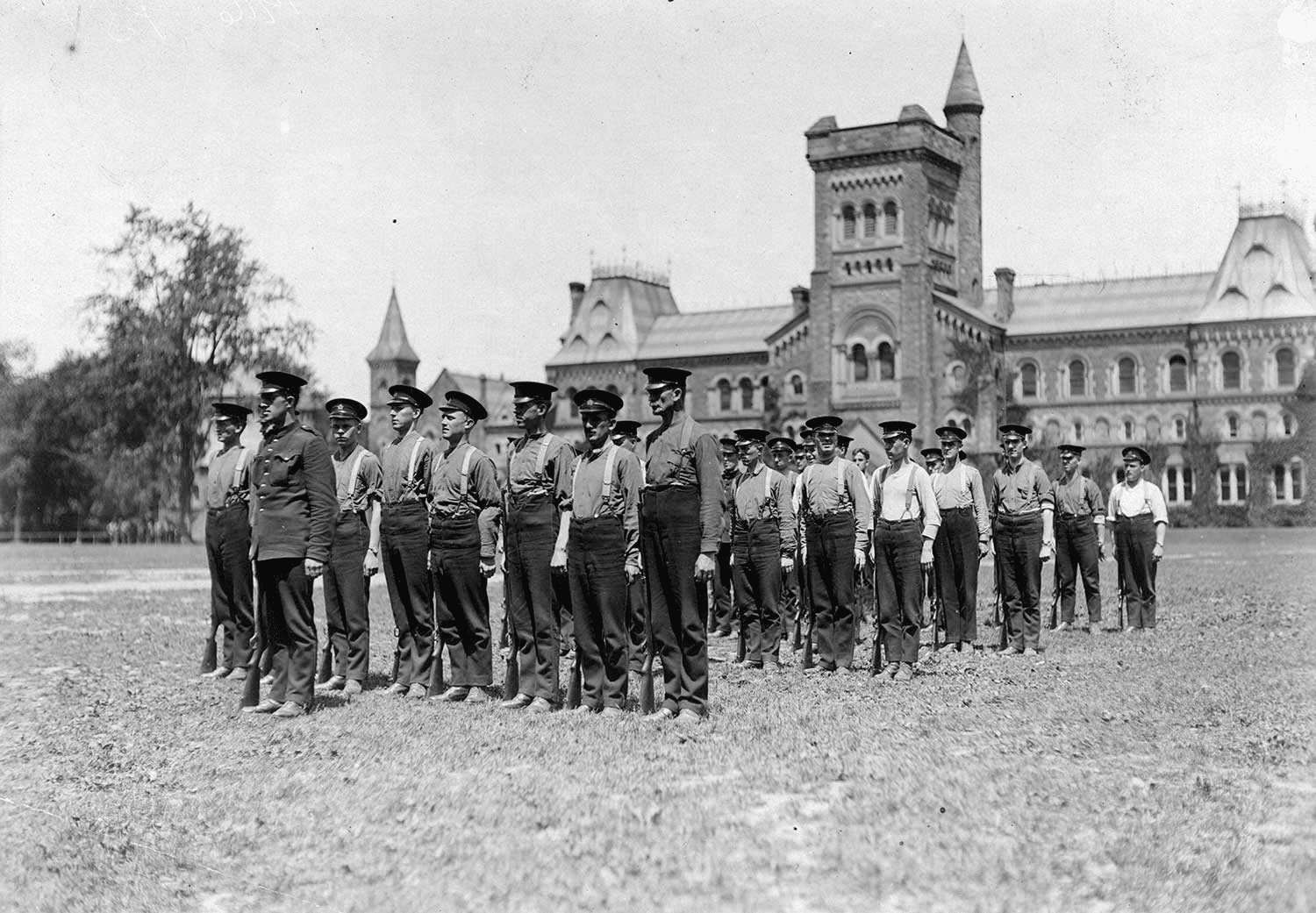
School and university campuses were repurposed as training grounds for soldiers and rehabilitation centres for returning veterans. Research confirms that the war led to widespread mobilization across the province, with children and teenagers playing active roles rather than being mere bystanders.
In October 1914, University of Toronto faculty endorsed the legitimacy of the war through a series of lectures. These lectures, focusing on the conflict, quickly gained popularity among students, attracting over 600 attendees per session.
School administrators actively sought to involve children in supporting the war effort. By November 1914, Ontario’s Minister of Education, Dr. R. Pyne, had implemented a system in which pro-war materials became a central part of the curriculum.
For example, students in Toronto schools received a monthly booklet titled Children’s Story of the War.
University of Toronto President Robert Falconer directly addressed his students, urging them to enlist. On October 21, 1914, he cancelled classes to hold an assembly, calling young men to join the armed forces. Over 500 students responded to his appeal and enlisted in the Canadian military.
Female students supported Falconer’s initiative and pressured male peers to enlist. This reflects the intense patriotic fervour within the education system at the time. Many young men, unable to resist the pressure, left their studies to join the military.
Characteristics of Youth Mobilization
In 1914, the minimum enlistment age was 18 (later raised to 19). However, there were ways to bypass this restriction. Underage candidates could enlist with written parental consent, and some lied about their age, hoping they wouldn’t be required to present a birth certificate.
The Department of Education encouraged enlistment by offering free housing to students. In 1916, it announced that tuition fees for students serving overseas would be reimbursed, allowing them to complete their education after the war. Additionally, students who enlisted within months of graduation could receive their diplomas early. Between 1916 and 1917, over 400 Toronto high school students took advantage of this offer.
The University of Toronto played a pivotal role in military recruitment and training. It helped establish units such as the Canadian Officer Training Corps and artillery battalions.
New university students underwent medical examinations to determine their fitness for military training and combat. Those who refused to participate were barred from attending lectures and extracurricular activities.
Contributions of Universities and Colleges During the War
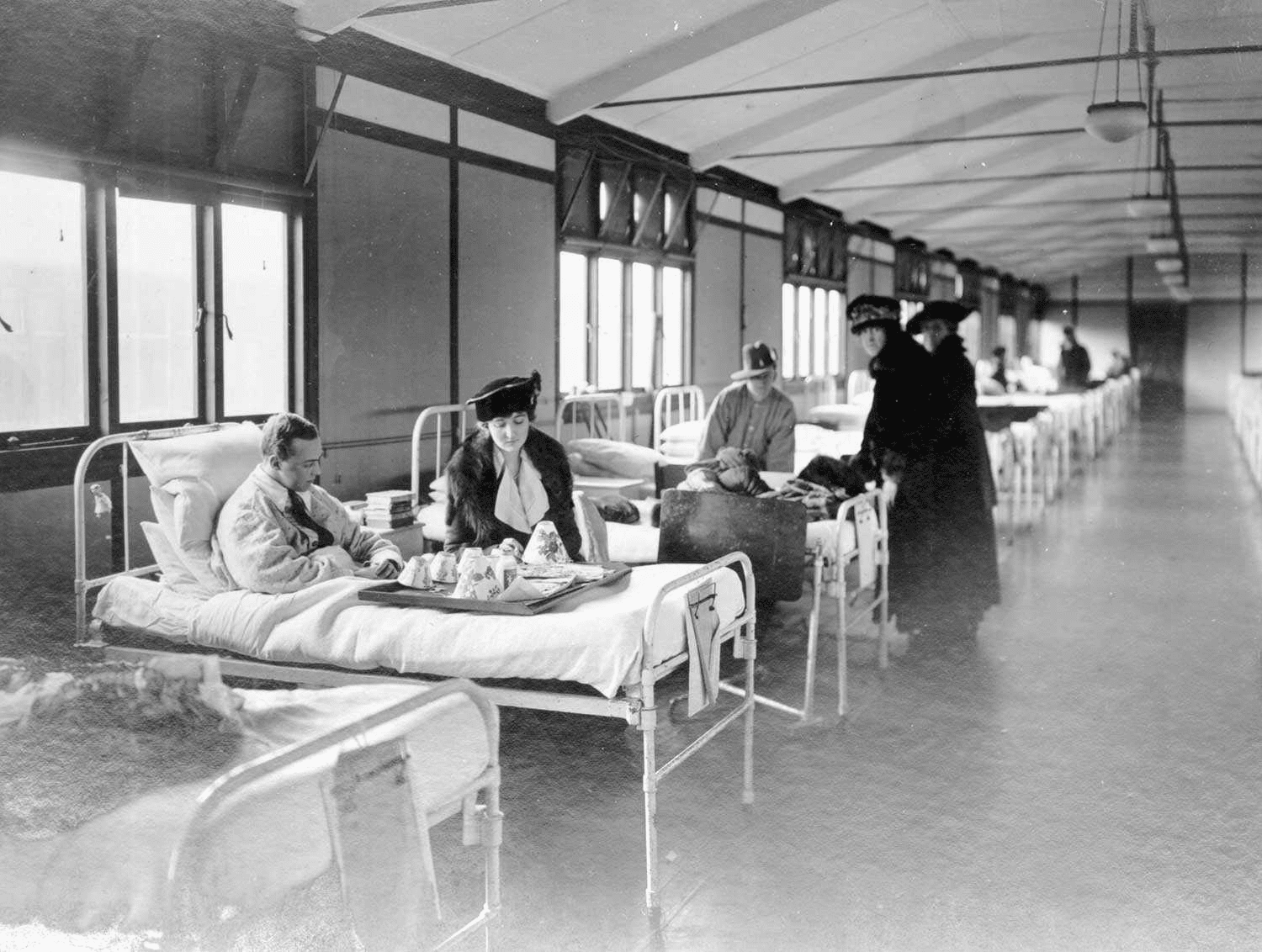
Toronto’s universities made significant contributions to the war effort, particularly in health and medicine. They organized laboratories to supply medicine and medical equipment throughout the conflict.
For instance, when a meningitis outbreak occurred at the Exhibition Camp in Toronto in 1915, the University of Toronto’s Department of Pathology developed the necessary treatments.
In addition to research, Toronto’s higher education institutions supported wounded soldiers. The University of Toronto organized a 1,040-bed mobile hospital that traveled overseas, undertaking perilous missions to save injured soldiers.
The involvement of Toronto’s schools and universities in World War I underscores their integral role in supporting military efforts. From mobilizing students to contributing to medical advancements, these institutions exemplified patriotism and resilience during one of history’s most challenging periods.