

They say politics isn’t a place for women, writes torontoyes.com. However, we live in an era where modern perspectives easily dismantle such stereotypes. Women’s roles in politics continue to grow significantly.
Martha Hall Findlay’s journey, as detailed on marthahallfindlay.ca, is a remarkable example of this progression.
Childhood, Education, and Personal Life
Martha Hall Findlay was born in Toronto. She attended a French school until eighth grade. At the age of 13, her parents divorced, and she moved with her mother to Thornbury.
Martha earned her undergraduate degree in international relations from the University of Toronto. She later pursued law at York University’s Osgoode Hall Law School.
While still a student, Martha married and became a mother. She welcomed her first child in 1981, followed by two more in 1983 and 1985.
Beginning of Her Legal Career
Martha’s professional journey began in corporate and commercial law at the international law firm Baker McKenzie. Later, she served as General Counsel and Executive Director at Bell Mobility and Mobility Canada.
She then joined The Rider Group, where she was Vice-President and Chief Legal Officer.
In 1996, Martha founded The General Counsel Group, a legal and management consulting firm specializing in high technology and telecommunications.
Entry Into Politics
The Liberal Party’s defeat in the 2006 elections led to Paul Martin stepping down as party leader. On February 8, 2006, Martha announced her candidacy for the Liberal leadership race.
Her ambitious grassroots campaign helped offset her lack of widespread recognition.
Martha described herself as a fiscally conservative yet socially progressive candidate. Her campaign focused on key issues like environmental sustainability and healthcare.
However, she placed last in the first round of voting, with Stéphane Dion ultimately winning.
On December 18, 2006, Dion invited Martha to chair the party’s public outreach platform, a role she gladly accepted.
Success in Elections
In 2007, Martha was nominated as the Liberal candidate for Toronto after Jim Peterson announced he would not seek re-election.
This led to a by-election on March 17, 2008, where Martha secured nearly 60% of the vote.
During the subsequent general election, she was re-elected, though her vote share dropped to 49%.
Key Positions
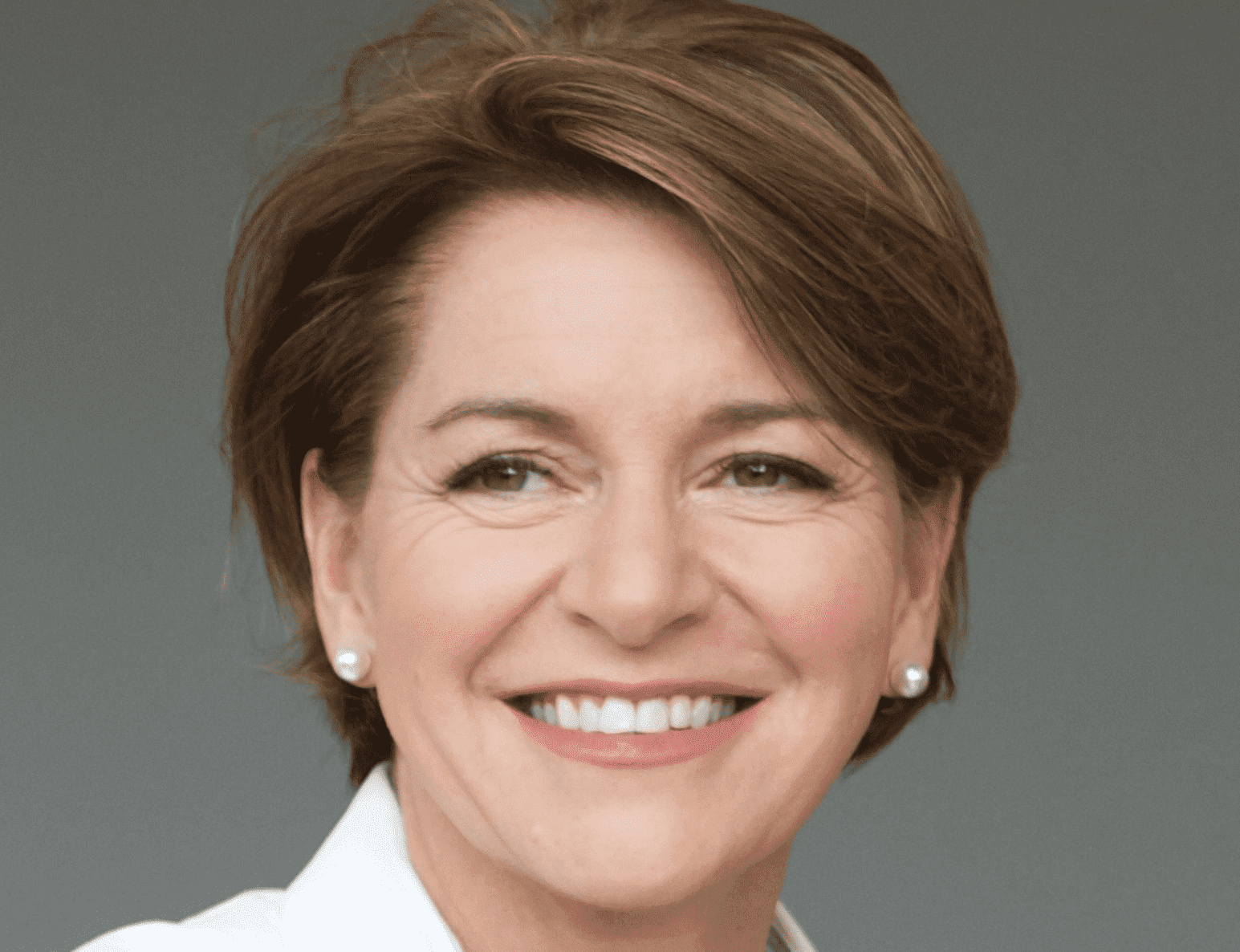
In 2008, Stéphane Dion stepped down as Liberal Party leader following the party’s poor election results. Martha emerged as a potential leadership contender but declined to run.
Leadership passed to Michael Ignatieff, under whom Martha held key roles in finance, transport, infrastructure, and international trade.
Another Defeat
After Ignatieff’s resignation, Martha decided to enter the Liberal leadership race. On November 14, 2012, she officially announced her candidacy.
Despite strong polling numbers, Martha ultimately lost to Justin Trudeau.
Photo: Twitter, mcgilltribune.com