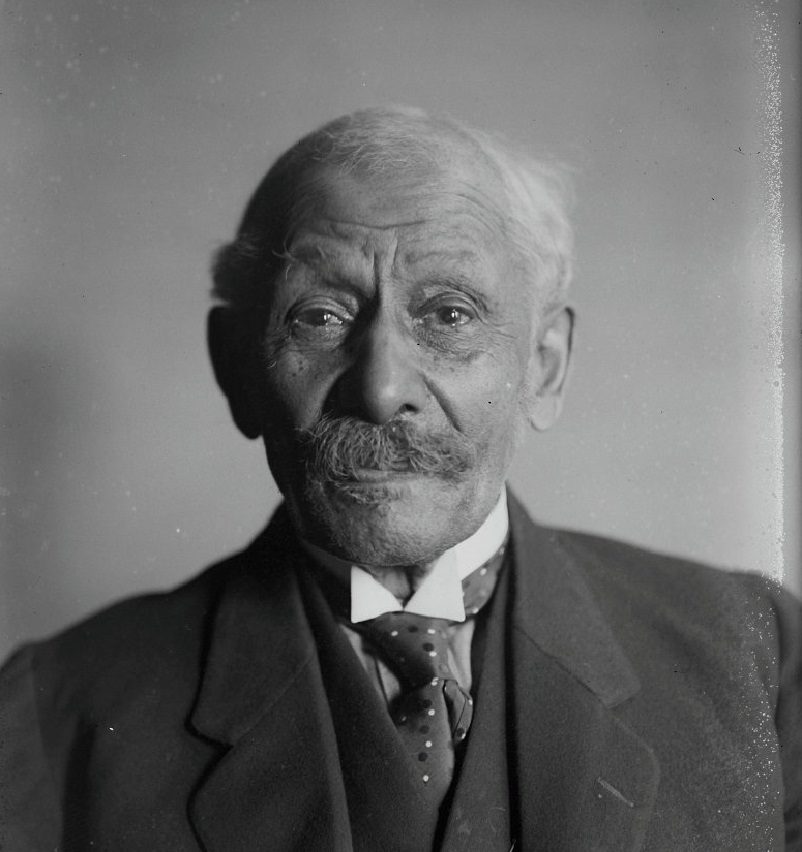

William Peyton Hubbard was a prominent Canadian politician and one of Toronto’s first Black aldermen. His reforms aimed to make the city’s Board of Control an elected body. Additionally, he played a significant role in the establishment of Toronto’s hydroelectric system. More details are available on torontoyes.com.
Childhood and Education
William Hubbard was born on January 27, 1842, in Toronto. Two years before his birth, his family had escaped enslavement in Virginia and settled in Toronto. William was the ninth of their children. His father worked as a school caretaker, earning a modest income but ensuring that William could attend the Model School.
From a young age, William worked evenings and weekends to help his father pay for his education.
In 1861, Hubbard graduated and began working as a baker specializing in cakes. During this period, he invented a portable oven. His brothers later capitalized on this invention to build a successful business. By 1900, Hubbard’s oven was widely advertised across Canada as fire-safe and significantly smaller than traditional brick ovens.
In 1862, Hubbard took a second job as a horse-carriage driver for politician George Brown. William had offered his services after hearing Brown complain about inebriated drivers. The two developed a friendship, and Brown inspired Hubbard to consider a career in politics. Over time, Hubbard began making a name for himself in political circles.
Political Career
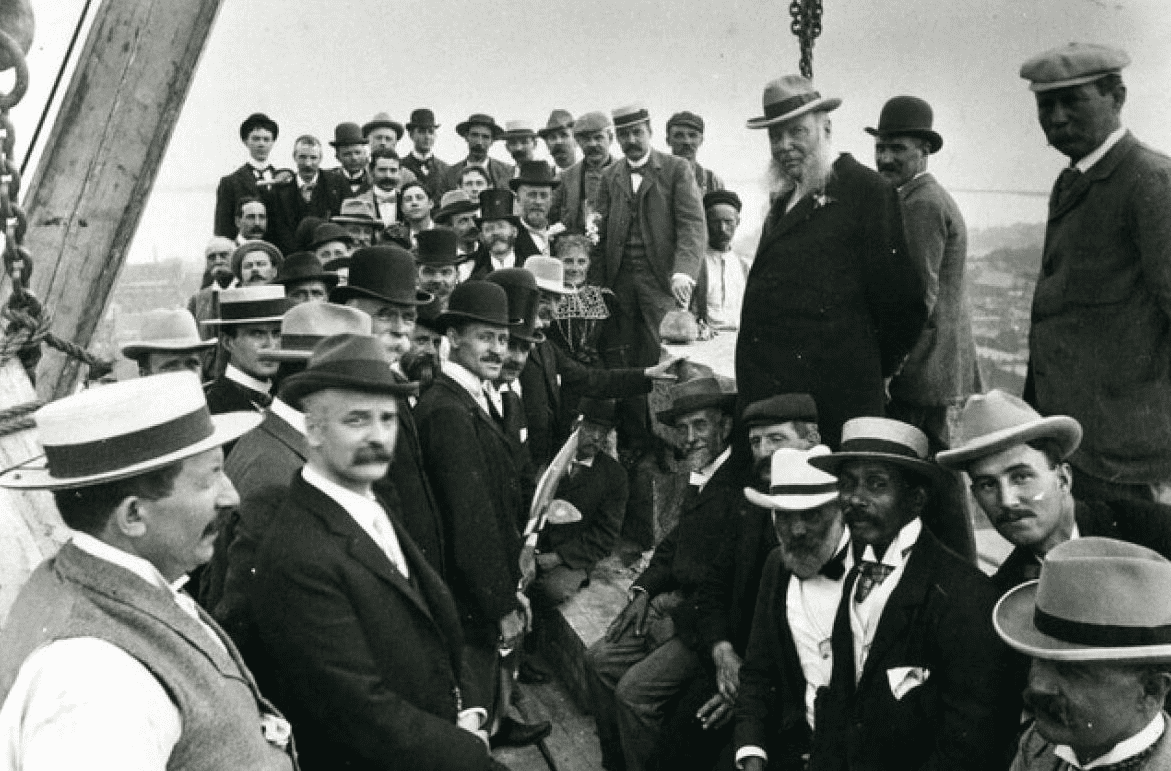
In 1893, Hubbard ran for office in Toronto’s municipal elections. By 1894, he was elected alderman, becoming the first Black representative to hold public office in Toronto.
Known for his calm demeanor and eloquent speeches, Hubbard earned the nickname “Cicero of the Council,” a tribute to the ancient Roman orator.
Hubbard’s initiatives included reforms targeting corruption within municipal departments. He also championed municipal control over Toronto’s water and transportation systems. Additionally, he was a vocal advocate for the city’s impoverished residents.
From 1898 to 1903, Hubbard served as an alderman on Toronto’s Board of Control. In 1904, his reforms helped make the Board of Control an elected body. In 1906, he garnered the highest number of votes among all aldermanic candidates.
While serving on the Board, Hubbard occasionally acted as Toronto’s mayor and supported nearly 100 municipal initiatives. He also fought for minority rights, protecting Chinese laundry operators from discriminatory practices and defending the Jewish community from harassment by street preachers.
In the early 1900s, Hubbard led a campaign advocating for affordable electricity for Toronto residents.
Despite his accomplishments, Hubbard faced electoral defeats in 1908, 1909, and 1910. However, in 1913, he was re-elected to the city council. He retired from politics in 1914 to care for his ailing wife. His colleagues held a grand ceremony to honor his departure.
William Hubbard passed away in April 1935 and was buried at Toronto Necropolis Cemetery.
In 1970, the City of Toronto commemorated his legacy by placing a historical plaque near his former home at 660 Broadview Avenue in Riverdale.