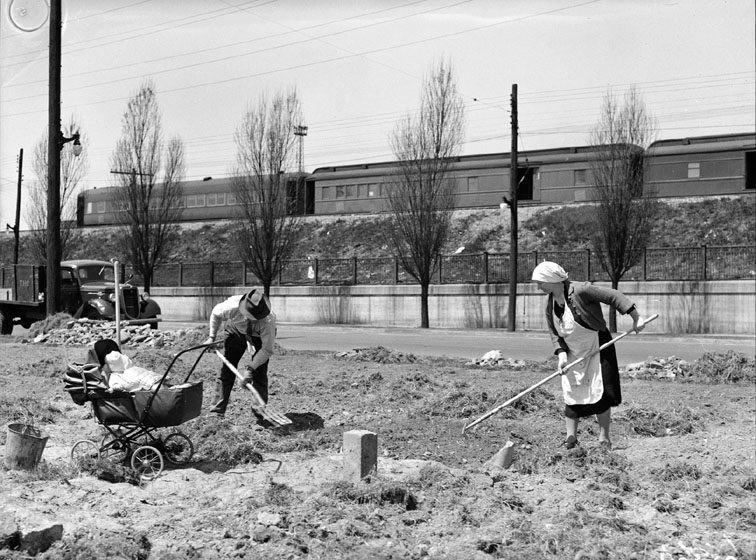

It comes as no surprise that the outbreak of World War II profoundly altered the lives of all Canadians, reports torontoyes. For nearly six years, people faced hardships related to employment, food, consumer goods, transportation, and other essential aspects of daily life. However, these struggles paled in comparison to the dangers soldiers faced and the thousands of lives lost in battle and captivity.
Despite these challenges, Canada’s home front, including Toronto, demonstrated incredible resilience and unity to support the war effort and ensure victory. In this article, based on toronto.ca, we explore what life was like in Toronto during the Second World War. The period was marked not only by numerous hardships but also by remarkable achievements, showcasing humanity’s boundless determination during difficult times.
Knitting for Soldiers
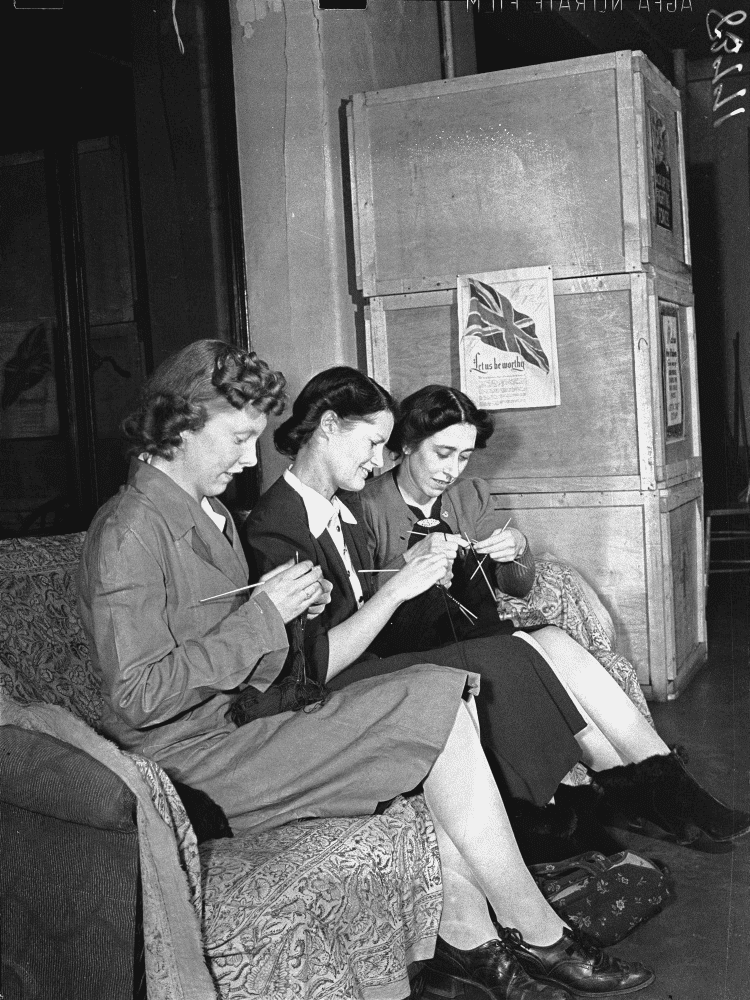
One of the most common activities on the home front during the war was knitting. Civilians actively sought ways to help soldiers serving overseas.
People primarily knitted clothing such as socks, scarves, and sweaters for troops.
Later, the Canadian Red Cross published a booklet featuring patterns for specialized “military” clothing. These patterns included gloves for soldiers handling rifles and radio equipment, caps designed to fit comfortably under steel helmets, and covers for amputated limbs. Specially designed socks were also featured for soldiers undergoing rehabilitation.
An Industrial Powerhouse
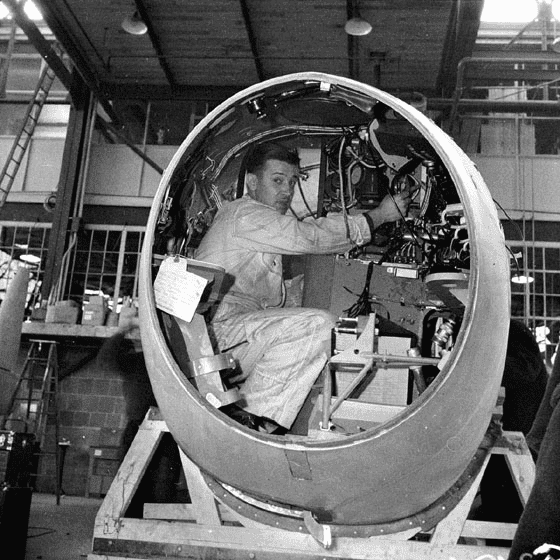
Toronto became a hub of wartime industry, bustling with activity. The city was involved in constructing ships and aircraft, not to mention the production of weapons and ammunition, which were manufactured in enormous quantities.
Local industries also provided extensive support to boost military morale and encourage citizen participation. This included organizing rallies, donating land, and hosting events such as dances, competitions, and celebrity meet-and-greets.
Severe Shortages
In 1943, Toronto faced an acute coal shortage. The government mandated that all homes maintain an indoor temperature of 65 degrees Fahrenheit (18.3 degrees Celsius) to conserve fuel.
As a result, many Torontonians fell ill, with widespread outbreaks of influenza, colds, and other related ailments.
Local newspapers and magazines published advice on preventing hypothermia and staying warm in poorly heated homes. Recommendations included wearing wool suits, dresses, pants, jackets, shawls, moccasins, and knitted slippers.
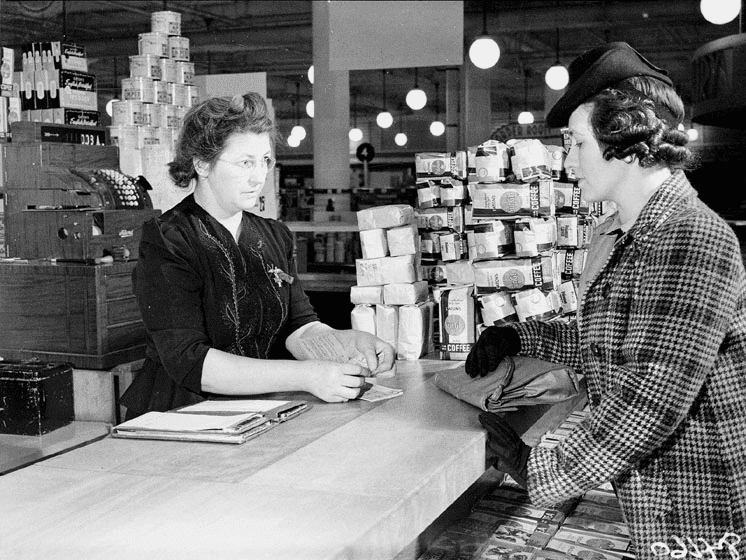
However, wool products were a luxury in wartime Toronto. The city faced a significant shortage of wool, making warm clothing inaccessible for many.
In addition to wool shortages, children’s shoes all but disappeared from store shelves. Mothers were forced to rely on creativity and whatever materials were available to craft makeshift boots and footwear for their children. With no alternative solutions, these homemade items were essential for families to cope with the dire situation.
Despite the difficulties posed by shortages, industrial demands, and the cold, Torontonians displayed exceptional resolve and creativity. Their collective efforts on the home front significantly supported Canada’s military and contributed to the Allied victory during World War II.
Photo: toronto.ca