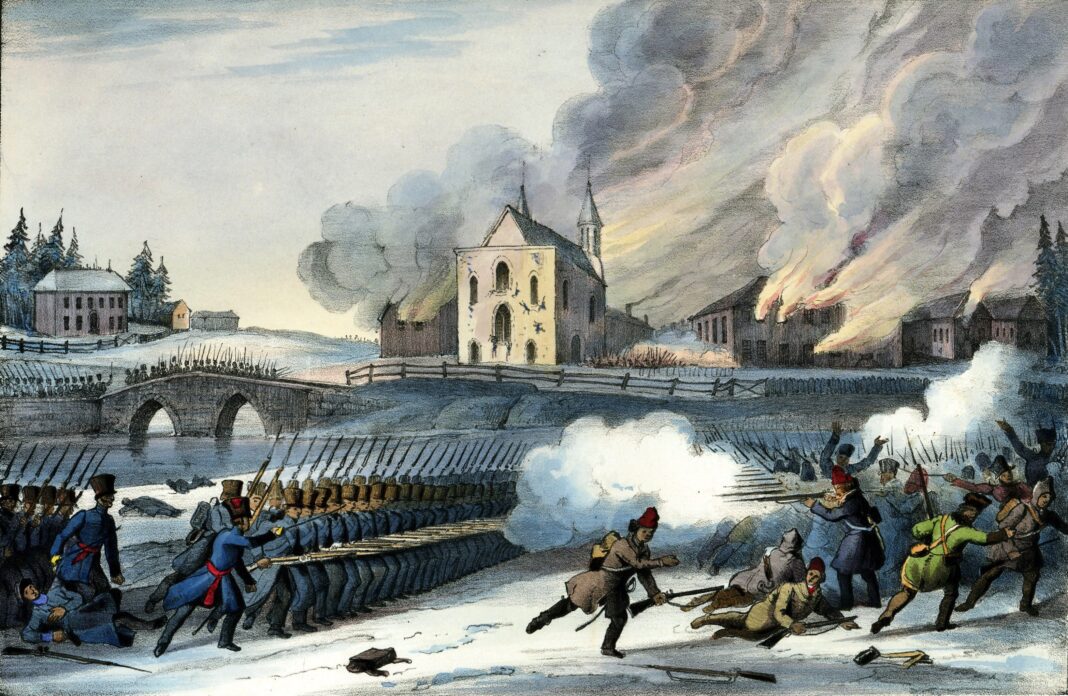

Rebellions, revolutions, protests… Are they a “boiling point” of citizens’ frustration or a well-orchestrated plan? Regardless of how one views these events, uprisings and protests have the power to reshape a city and even a country. Unfortunately, governments often ignore their citizens’ demands until they are forced to listen. Today, we delve into the 1837 rebellion in Upper Canada and its impact on Toronto. This significant event was part of a broader sociopolitical movement in Upper Canada (modern-day Ontario). Learn more about this chapter in Toronto and the region’s history at torontoyes.com.
Causes of Discontent and the Beginning of Protests
Rebellions don’t emerge from prosperity. A critical factor must ignite widespread dissatisfaction, prompting people to take to the streets in protest. The rebellion in Upper Canada stemmed from resistance to the oligarchic government of the British colony. This discontent had been brewing for years, fueled by corruption, authoritarian governance, and a disregard for the population’s needs.
In December 1837, an armed rebellion erupted. Protesters erected barricades and took control of several areas in Toronto. However, the poorly armed rebels were swiftly defeated within days. Thousands of soldiers crushed the uprising using artillery, and most of the protesters were arrested. Although the rebellion was subdued by late 1837, resistance continued into 1838.
The rebels’ demands included the establishment of a responsible government accountable not only to the British Crown but also to the local population. They called for fair and transparent elections, greater political freedoms, citizen rights, and improved economic conditions for local residents. A key demand was broader access to land and resources, which were controlled by the elite at the time.
Changes in Toronto and the Country
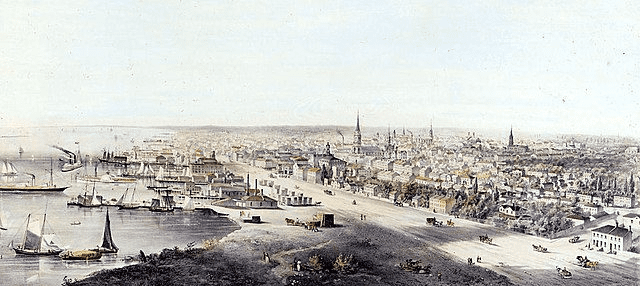
Though the rebellion was suppressed, it triggered significant political reforms. The colonial government conducted a “post-mortem” and began implementing changes. For instance, the Act of Union in 1840 merged Upper and Lower Canada, and the Report on the Affairs of British North America in 1839 outlined governance reforms. Many historians argue that the 1837 rebellion in Toronto marked a turning point, initiating numerous democratic reforms.
Toronto’s political landscape also evolved. New political leaders and parties emerged, advocating various reforms. Ordinary citizens became increasingly aware of their rights and democratic values. These events also had a profound impact on Toronto’s population, as many sought new opportunities in other regions and countries.
However, the rebellion came at a cost. Many participants were executed, and these arrests and punishments instilled fear and deepened public distrust of the government.
The rebellion of 1837 remains a pivotal chapter in Toronto’s history, shaping the city’s and the nation’s future. It’s a reminder that political elites often neglect the needs of the people until protests force them to act. While these events brought hardship, they also laid the foundation for the democratic values we cherish today.
We hope this article provided valuable insights into Toronto’s history. What do you know about the 1837 rebellion? Share your thoughts with us on social media.