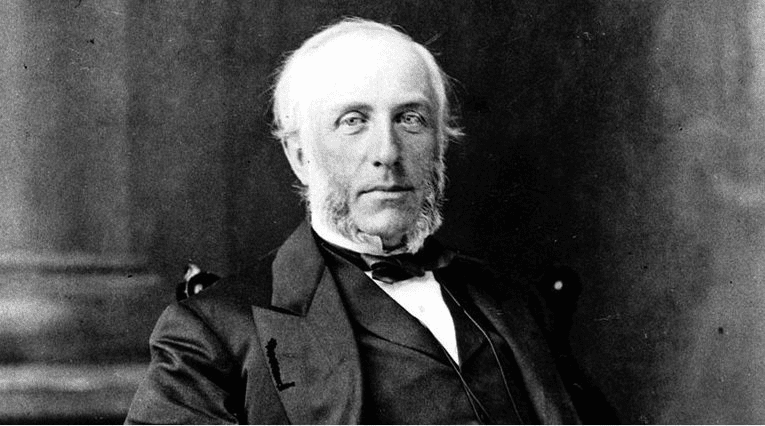

George Brown is a politician, journalist and senator. Brown played an important role in Canadian politics. His reforms created a coalition that pushed North America into the Confederation. Learn more about the life and work of George Brown at torontoyes.com.
Childhood and youth
George was born in Alloa, Scotland, on November 29, 1818. His father, Peter, ran a wholesale business in Edinburgh and owned a factory in Alloa. His mother, Marianne, was a housewife raising children. George was not the only child in the family, he had 8 siblings. When George was 8 years old, the family moved to Edinburgh. There, the boy studied at the Royal High School and later, transferred to the Edinburgh Southern Academy.
When George finished school, his father insisted on entering university, but the boy began to work, helping his father run the family business.
Journalist in Toronto
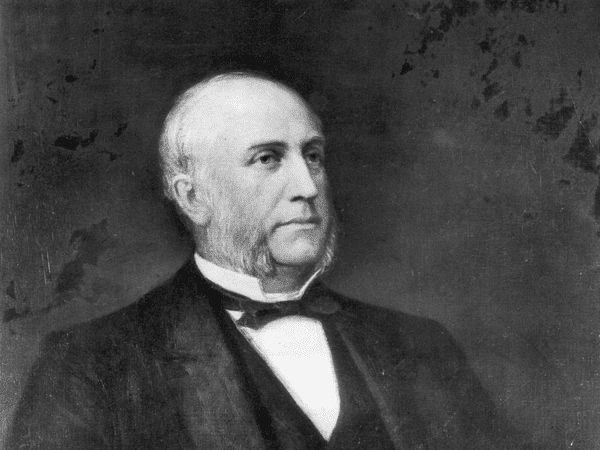
In 1843, Brown moved to Toronto with his father. There, he began his journalistic activity, becoming the founder of the Banner newspaper. George begins to actively manage the secular department of the newspaper, covering non-religious issues in his articles.
At first, his newspaper didn’t cover politics, although George supported the politics of the reformers. However, an incident made the newspaper political. When Governor-General Charles Metcalfe prorogued the Reform-dominated Canadian Assembly, George published an article in his newspaper criticising Metcalfe’s actions.
Later, the newspaper published several other articles denying all the political accusations of the reformers. In addition, Brown openly urged people to vote for reformers in the upcoming elections.
In 1844, the reformers were concerned about their electoral rates. They helped found newspapers that covered their ideas. Thus, Brown was offered £250 to start a new newspaper. George agreed and launched The Globe, which actively covered politics.
Political activity
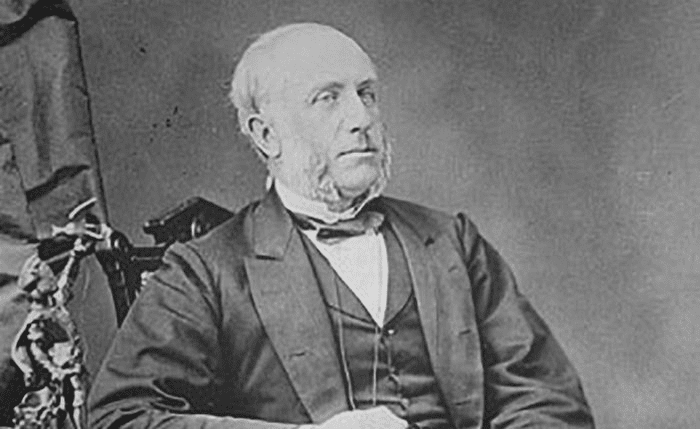
Parliamentary legislative elections were held in 1848. The reformers won a majority of seats and formed an administration led by Baldwin and Louis LaFontaine. In the summer of 1848, Brown closed Banner to concentrate on developing The Globe.
That same year, George was appointed to head the Royal Commission examining allegations of misconduct at Portsmouth prison. In 1850, Brown joined the Clear Grit reform movement, which opposed the abolition of the clergy in Canada.
In the spring of 1851, Brown ran for the first time in the election representing Haldimand County. However, he lost to William Mackenzie. At the next session, Baldwin and LaFontaine announced their retirement from politics. The reform movement was headed by Hincks, who began a rivalry with Brown.
In the fall of 1851, reformers led by Mackenzie encouraged Brown to run in the upcoming elections to the Canadian Parliament from Kent County. He accepted the offer and was nominated as a candidate by the reformers. That time, he managed to win the election and began working on the issue of state support for religious institutions.
In 1861, George fell ill and retired from politics. In 1864, he returned to politics again, supported the conservatives’ proposals for constitutional changes and took their side. Together they formed a grand coalition that aspired to a federal union of all provinces.
Thanks to the coalition, the Confederation movement began to develop rapidly. Brown played an important role in the Charlottetown and Quebec Conferences. Owing to him, the Quebec Resolutions consisting of 72 directives that underlay the Canadian Constitution were formed.
Brown was active in politics until 1867. After losing the election, he left politics and concentrated on his newspaper, The Globe.
George Brown died of an infected leg wound in 1880.