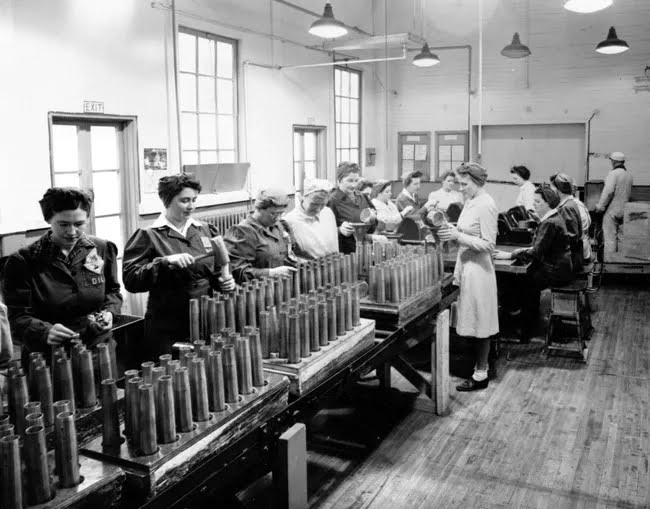

During World War II, Canada’s population was divided into those serving on the frontlines and those supporting them on the home front. Both played crucial roles in achieving victory, writes torontoyes.
Women, in particular, took on active roles in the war effort, working tirelessly to support the military.
In a Toronto suburb, a factory employed women who risked their lives daily. These women, known as the “Bomb Girls,” contributed significantly to Canada’s wartime efforts. Curious to learn more? Settle in and read about their story, based on thestar.com.
Hard Work Against All Odds
In 1941, a factory in a Toronto suburb began employing women to assemble munitions. These delicate yet resilient workers dealt daily with dangerous explosives and gunpowder.
Despite the risks and challenges, the women remained determined to contribute to the war effort and support the soldiers fighting overseas.
A Closer Look at the Factory
The General Engineering Company (GECO) was a top-secret facility built in 1941 on expropriated farmland near Toronto.
Operating 24/7, the facility comprised 172 buildings connected by underground tunnels used for transport, communication, and shelter during potential air raids.
The factory also included workshops, administrative and service buildings, a bank, cafeteria, fire station, medical centre, and power plant.
Welcoming New Employees
At the start of the war, the factory faced a severe labour shortage. As a solution, management decided to hire women.
Despite the dangers, many women eagerly accepted the opportunity to work at the factory, driven by a sense of patriotism and duty.
Impressive Work Ethic
One of the women’s primary tasks was inserting detonators into batches of shells, a job performed on dedicated assembly lines.
The workers displayed remarkable dedication and efficiency, earning competitive wages for their efforts.
Special Workwear
Given the risks posed by sparks, wearing metal was strictly prohibited. The women were provided with cotton undergarments, specialized coveralls, shoes, and turbans to ensure safety.
Record-Breaking Productivity
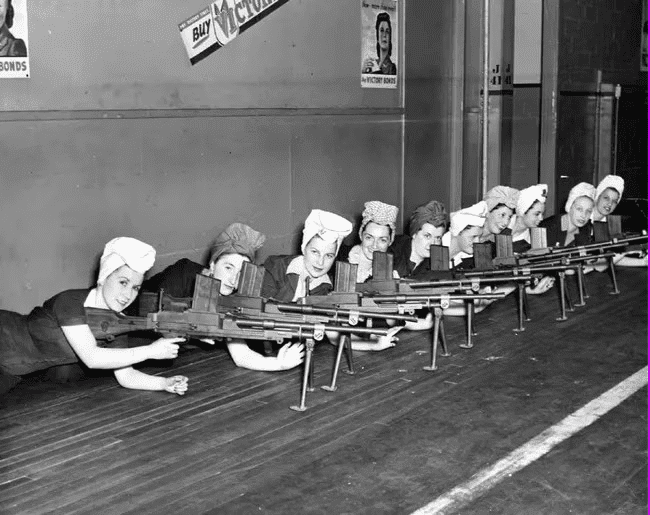
GECO was Canada’s most productive munitions factory during World War II.
Remarkably, despite the hazardous work environment, no fatal accidents were reported at the plant.
Putting Employees First
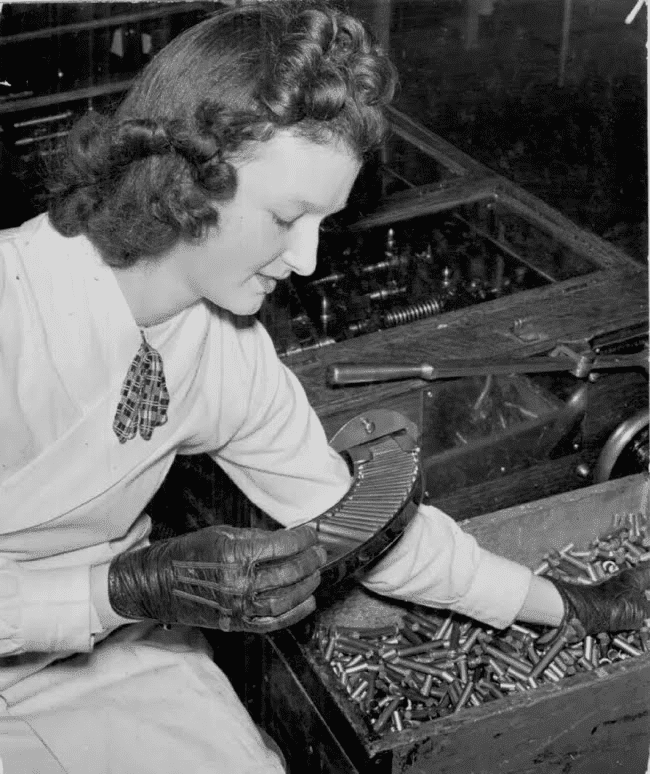
GECO prioritized the well-being of its workers, offering attractive perks.
Women were provided with free bus transportation to and from the factory, nutritious meals at the cafeteria, and complimentary work uniforms. The on-site daycare offered affordable rates: 35 cents per child and 50 cents for two.
Additionally, employees enjoyed a robust recreational program that included sports and cultural activities.
Special Bonuses
Each worker was a member of a dedicated association akin to a union. This organization worked to improve working conditions and develop bonus programs.
One of the more unique incentives was participation in the annual “Miss War Worker” beauty pageant, held across several factories.
The camaraderie fostered through shared work and leisure activities united the women, creating a supportive and enjoyable atmosphere. This, in turn, boosted morale and productivity.
The story of the Bomb Girls is a testament to the resilience, strength, and patriotism of Canadian women during World War II. Their dedication not only contributed to the war effort but also paved the way for greater recognition of women’s roles in shaping society.