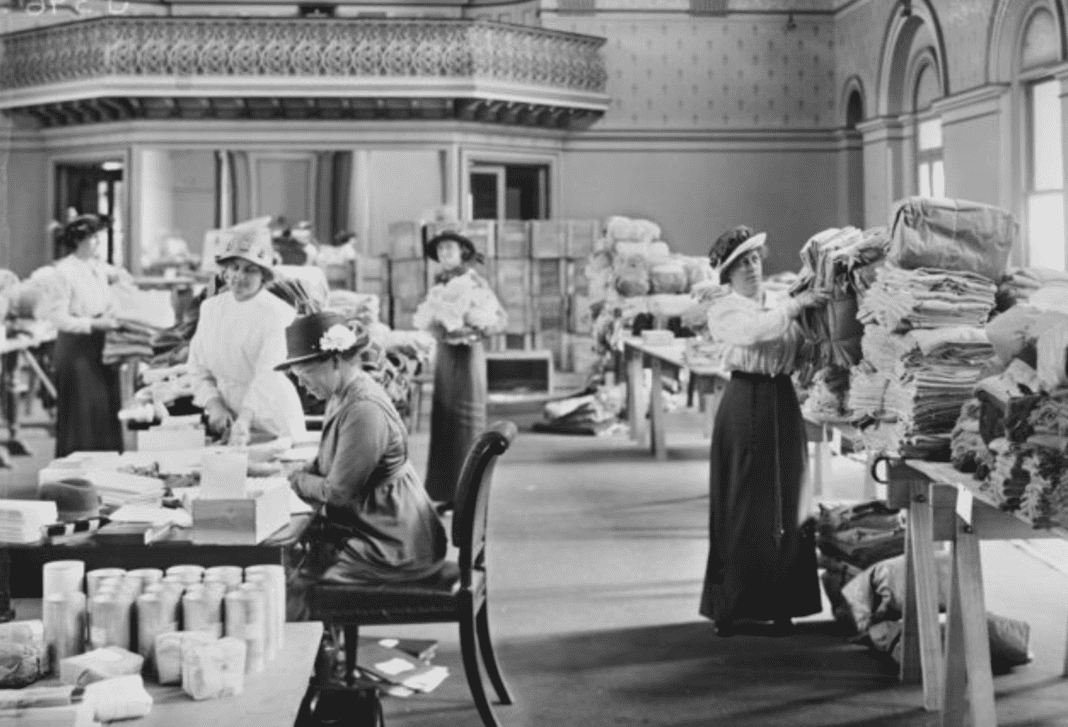

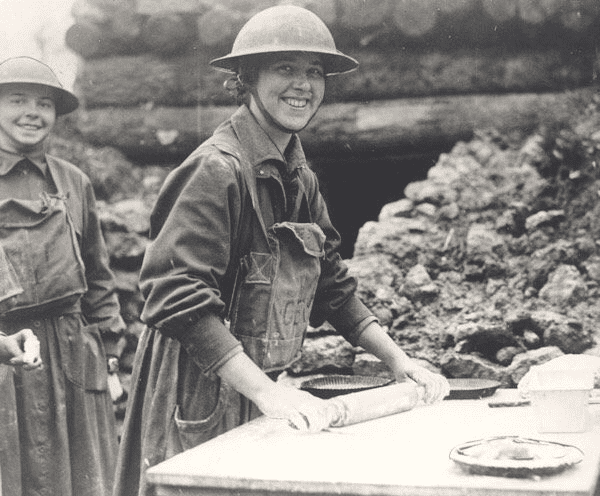
Volunteerism was an integral part of life during both World Wars. Residents of Toronto made significant contributions to supporting the Canadian army during World War II. The people of Toronto were actively involved in charitable efforts, dedicating their time and money to assist the army, reports torontoyes.com.
People with Kind Hearts
In August 1914, at the outbreak of World War I, the Toronto office of the Canadian Red Cross National Headquarters was inundated with donations ranging from coats and uniforms to broken furniture, all sent by people hoping these items could be used to help the sick and wounded soldiers.
A few months into World War II, in November 1939, Toronto millionaire E. Watt donated his personal boat to support the Royal Naval Volunteer Reserve. In 1940, the Order of the Daughters of the Empire (IODE) raised $100,000 to purchase a Bolingbroke bomber for military use.
These examples illustrate how most Canadians were committed to bringing victory closer by volunteering. People donated their money, invested in Victory Bonds, and worked with war charities.
Canadians believed that one’s actions revealed their character, sense of duty, and patriotic spirit.
Cooperation Between Government and Volunteers
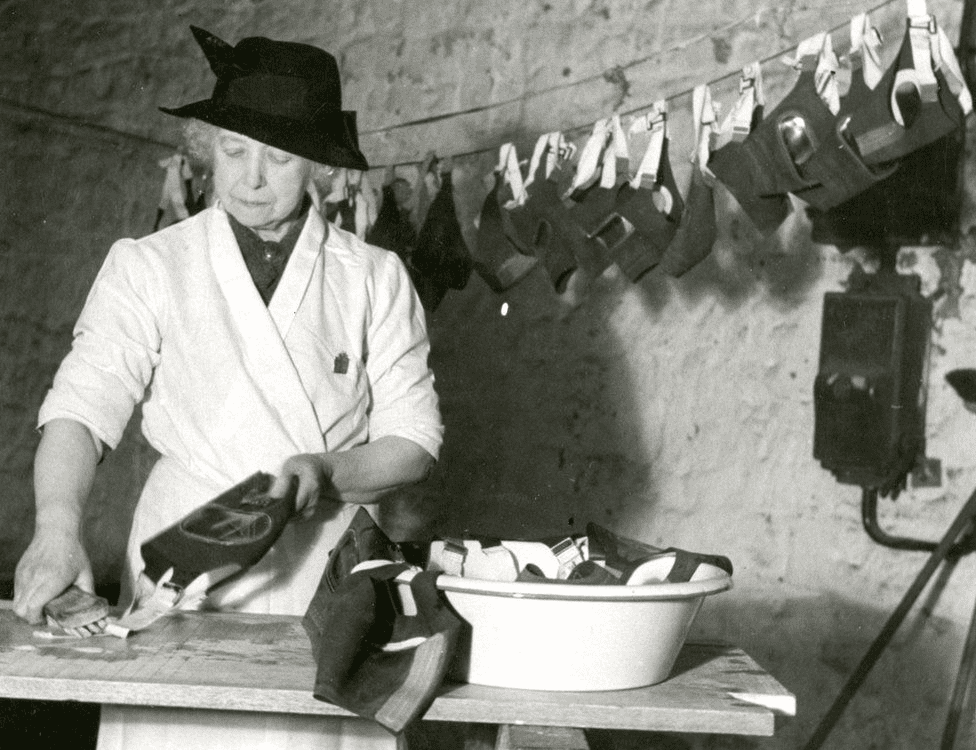
Unpaid civilian volunteerism was widespread in Toronto. There were strong parallels between charitable efforts during the First and Second World Wars. Canadians’ extensive experience from World War I shaped their approach to World War II. A prime example of this is the work of the Canadian Patriotic Fund (CPF). It was a leading Canadian charitable organization during World War I and continued its volunteer efforts in World War II, providing support to soldiers’ families.
The government regulated volunteer activities. A dedicated department oversaw the registration and financial operations of organizations, determining which groups were permitted to raise funds. The primary goal of such oversight was to enhance the efficiency and coordination of the volunteer contribution to the war effort. Some charities, accustomed to working independently, protested these checks and restrictions but achieved little success.
To ensure effective volunteer efforts, the Canadian government encouraged and supported its citizens. This encouragement relied on the inherent power of the idea of volunteerism itself. Volunteers chose which causes to support, how often, and in what ways to contribute. Citizens were not forced into wartime service but willingly gave their time and money, actively supporting the war effort. This voluntary participation made people feel they were significantly contributing to the war, while the government benefited from the funds freely offered by the public.
However, the challenge was that volunteers could withdraw their donations as easily as they gave them. This meant that not only charities and military funds but also the government itself had to invest considerable time and effort into maintaining public support throughout the war.
The Benefits of Volunteering
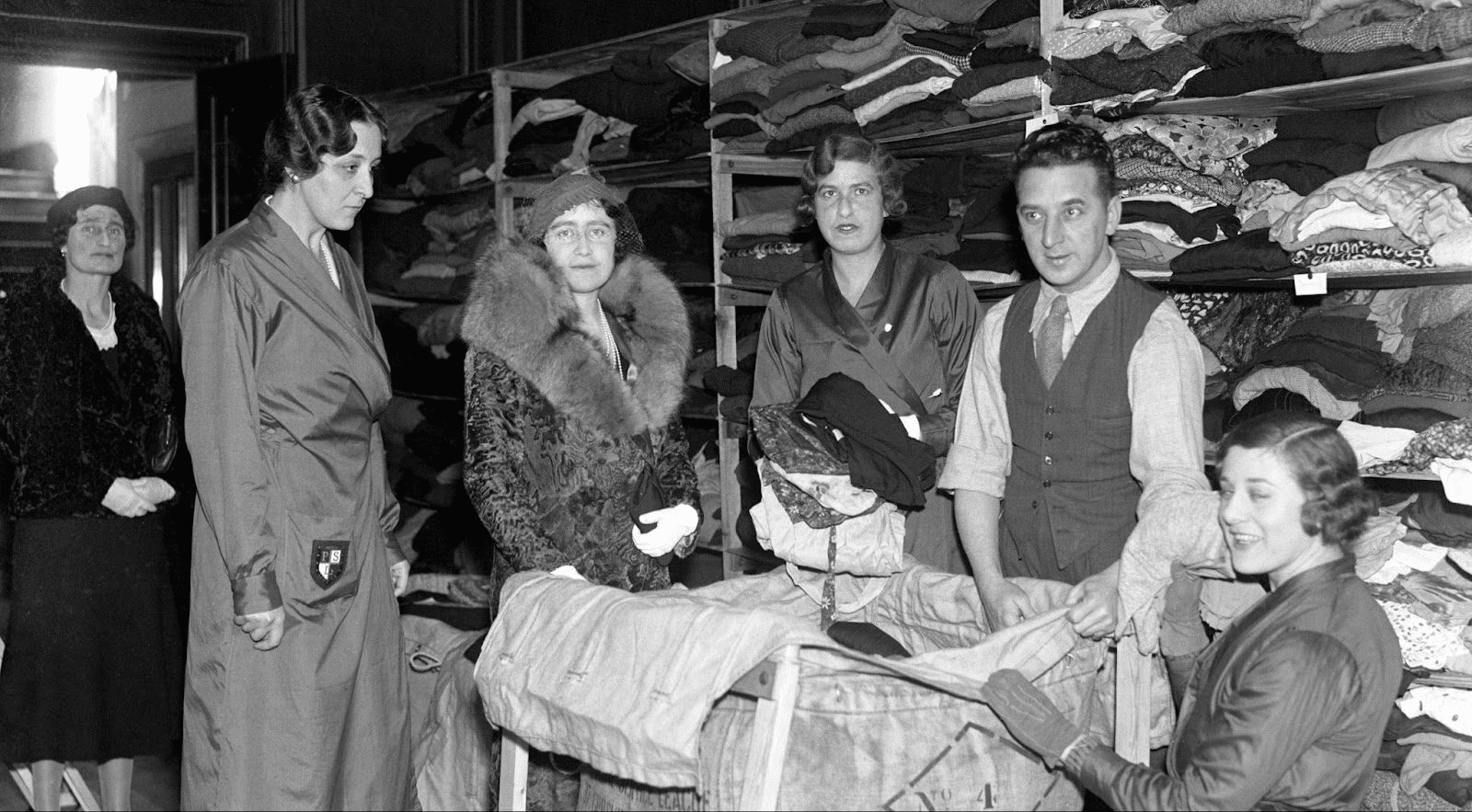
Charity in Toronto went beyond altruism. Volunteers reaped benefits from their involvement, even if it was just the satisfaction of contributing to a worthy cause.
Many families in Toronto participated in the Victory Credit campaign, helping to finance the war while also investing in their own post-war financial stability. Volunteers who prepared hospital supplies, medical kits, and goods for the Red Cross supported the sick and wounded soldiers. Companies making large, well-publicized donations created positive associations with their brand while aiding the war effort.
Toronto residents involved in volunteer work provided essential labour. Racial and ethnic minority communities organized patriotic concerts and fundraising events, simultaneously showcasing their patriotism and asserting their claim to equal citizenship rights.
Through their official volunteer work, monetary and material donations, and adherence to a wide range of behaviours and guidelines, Torontonians made a substantial contribution to the war effort. They met social expectations and reaffirmed their place in Canadian society.