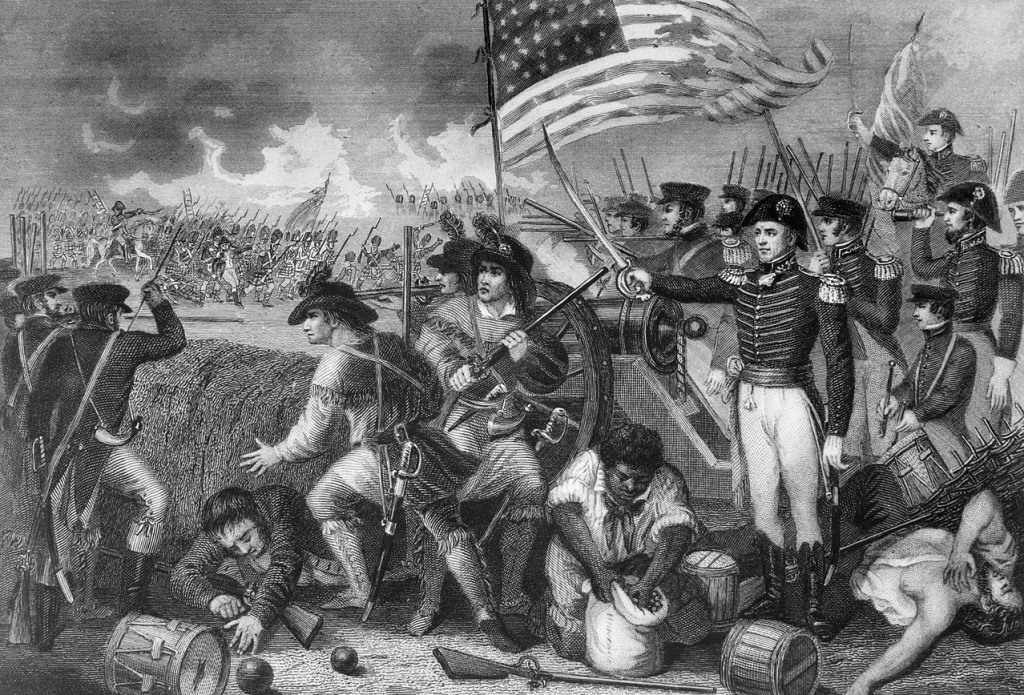

War is always a terrible ordeal for a nation and its people. Ideally, all conflicts could be resolved through diplomacy. Unfortunately, not all political leaders seem to agree. Even in the 21st century, wars and military conflicts persist globally. Canada, too, has faced such trials. Today, we’ll explore a chapter of our history: the War of 1812, fought between the United States and Great Britain. This war also had a significant impact on Toronto. We want to share more about this with you. For more details, visit torontoyes.com.
What We Know About the Causes of the War
On June 18, 1812, the United States of America declared war on Britain. The conflict stemmed from long-standing Anglo-American tensions. The two countries disputed territories in North America, and Tecumseh’s Confederacy, supported by the British, resisted American colonial settlement in the Old Northwest. Relations between the nations worsened in 1807 when the Royal Navy began to tighten restrictions on American trade with France.
The Attack on York
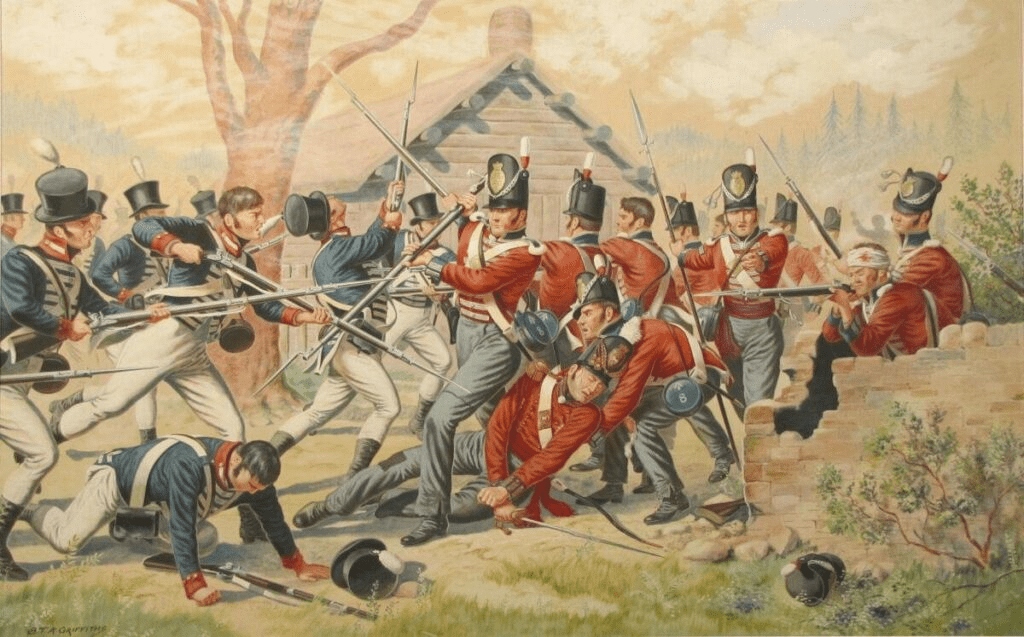
Toronto also suffered during this war. At that time, however, the city was known as York. On April 27, 1813, American forces attacked York, the capital of Upper Canada. In the Battle of York, the fort and dockyard were destroyed. American soldiers set fire to the Parliament Buildings of Upper Canada, key government offices, and various defensive structures and fortifications. Many commercial and residential buildings were also damaged. Furthermore, the invading forces destroyed food and military supplies that had been stockpiled for British troops. The very next month, Fort Niagara and the American Lake Ontario squadron began bombarding Fort George. Fierce fighting ensued, but the Americans ultimately failed to capture Upper Canada.
British troops, alongside Canadian militia and their Indigenous allies, fought hard to regain control of Upper Canada. By the end of 1813, American forces had withdrawn from the occupied Canadian territory. However, during their retreat, the Americans burned the village of Newark (present-day Niagara-on-the-Lake) on December 10, 1813. This act infuriated Canadians, as many were left homeless. In retaliation for the burning of York and other settlements, Great Britain struck back: in 1814, the White House and other government buildings in Washington were burned.
It’s worth remembering that Toronto, due to its strategic location on the shores of Lake Ontario, was a vital military centre for British forces. This is why, after the capture of York, the British focused their efforts on regaining control of the region.
How the War of 1812 Shaped Toronto’s Development
The War of 1812 undeniably had an impact on Toronto, especially since military actions took place within the city itself. As you can imagine, the rebuilding of York commenced swiftly due to its strategic importance. All wars eventually end with peace negotiations, and the War of 1812 was no exception. The Treaty of Ghent was signed in December 1814, although peace between the nations was only truly established in January 1815. After the war, York became a key military and administrative centre for British forces in Upper Canada. Consequently, the city’s infrastructure began to develop, and its defensive positions were strengthened.
Following the conflict, Toronto also grew as a centre for trade and immigration. New military installations were built in the city. Furthermore, new political forces began to emerge in our city.
The War of 1812 represents a dark chapter in the history of the Canadian people. During this war, American troops captured our city and destroyed some of its government buildings. However, the city of York was rebuilt and, over time, transformed into a robust military and administrative centre.